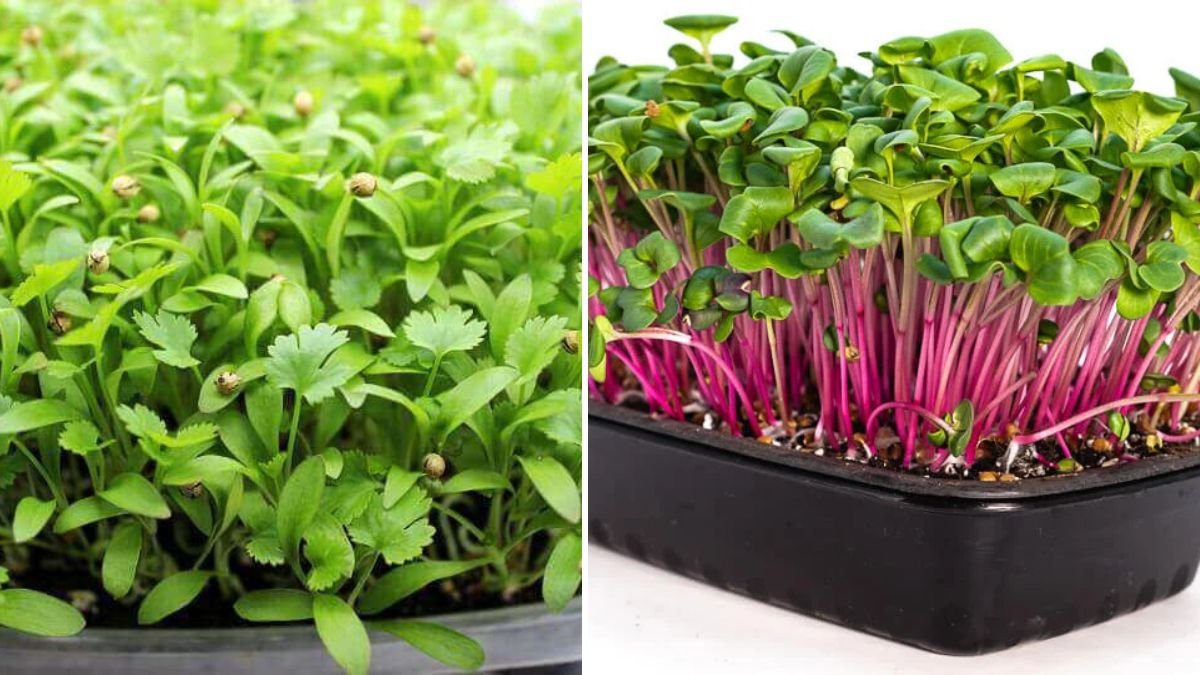
Coriander, also known as cilantro, is a popular herb that adds a vibrant flavor to various dishes. Growing coriander microgreens at home is an excellent way to enjoy their fresh taste and health benefits while getting the satisfaction of home gardening. This article will guide you through the process of growing coriander microgreens, from seed selection to harvesting, and answer some frequently asked questions.
What Are Microgreens?
Microgreens are young plants harvested just after the first true leaves (cotyledons) have developed. They are packed with flavor, nutrients, and health benefits, often containing higher levels of vitamins compared to their mature counterparts. Microgreens can range from a few inches tall to about 2-3 inches, and their taste and texture can vary significantly from one type to another.
Latest Posts
- Easy Steps to Successfully Grow Bhindi in Grow Bags at Home
- Easy Steps to Grow a Healthy Guava Bonsai at Home for Beginners
- How to Successfully Grow and Cultivate White Strawberry Plants at Home for Delicious and Unique Fruits
- Ultimate Guide to Successfully Growing Weeping Fig Outdoors with Proven Techniques and Expert Tips
- How to Successfully Grow Flemish Beauty Pear Trees in Canada for Optimal Harvest
- Easy Hack to Grow Strawberries Year Round in Your Home Garden for Delicious Harvests
- Growing Flemish Beauty Pears in Canada A Complete Guide for Local Gardens
- The Ultimate Guide to Growing Hibiscus Plants Year Round for Vibrant Blooms and Healthy Foliage
- Easy Ways to Boost the Growth Rate of Your Indoor Peace Lily for Lush Green Foliage
- How to Successfully Grow Oak Leaf Lettuce in Your Home Garden for Fresh and Flavorful Salads
Why Choose Coriander Microgreens?
Coriander microgreens are popular due to their unique flavor and aroma. They are a rich source of essential nutrients, including:
- Vitamins A, C, and K
- Antioxidants
- Minerals like calcium and potassium
- Essential oils that may contribute to various health benefits
Adding coriander microgreens to your meals can enhance flavor, nutrition, and visual appeal.
Getting Started: What You Need
To grow coriander microgreens at home, you’ll need minimal supplies. Here’s your shopping list:
Supplies
- Coriander Seeds: Choose high-quality, organic seeds specifically meant for microgreens.
- Growing Medium: Use soil, coconut coir, or a seedling mix. Avoid garden soil as it can be too dense.
- Containers: Shallow trays or containers with drainage holes. These can be plastic trays, seedling flats, or repurposed containers.
- Watering Can or Spray Bottle: For gentle watering.
- Light Source: Natural sunlight or grow lights. Coriander microgreens thrive with about 12-16 hours of light per day.
- Cover: A lid or another tray to cover the seeds while germinating.
Optional Supplies
- pH Test Kit: To ensure water and soil pH are optimal (between 6.0 to 7.0).
- Fertilizer: A mild liquid fertilizer can enhance growth, though many opt to grow microgreens without it for purity.
Step-by-Step Process
Here’s a detailed process for growing coriander microgreens.
Step 1: Prepare Your Workspace
Choose a clean, well-lit area in your home. Ensure that the space has a stable temperature, ideally between 65°F to 75°F (18°C to 24°C). Gather all your supplies for easy access.

Step 2: Soak the Seeds
Soak your coriander seeds in water for 12-24 hours to promote germination. This step is crucial, as coriander seeds can have a tough outer shell, and soaking helps them expand and sprout more quickly.
Step 3: Fill the Container
Fill your chosen container with about 1-2 inches of growing medium. Level the surface to ensure even distribution. If using soil, lightly moisten it before adding the seeds.
Step 4: Sow the Seeds
After soaking, drain the seeds and sprinkle them evenly over the surface of the growing medium. Aim for close spacing, but avoid overcrowding as this can lead to poor air circulation.
Step 5: Cover the Seeds
Gently press the seeds down into the soil to establish good contact. Cover the container with a lid or another tray to create a humid environment, which is crucial for germination.
Step 6: Watering
Mist the surface with water using a spray bottle, ensuring it’s moist but not soaking. Keep the soil consistently moist but avoid waterlogging.
Step 7: Provide Light
After 3-7 days, you’ll see seedlings sprouting. Remove the cover and place the tray in a well-lit area. If using grow lights, position them about 2-3 inches above the seedlings and adjust as they grow.

Step 8: Monitor Growth
Continue to mist the seedlings daily and keep an eye on their growth. Coriander microgreens typically take 10-14 days to grow to harvest size, depending on light and temperature conditions.
Step 9: Harvesting
Your coriander microgreens are ready to harvest when they reach about 2-3 inches tall and display their first true leaves. Using a pair of clean, sharp scissors, cut them just above the soil line. Harvesting in the morning may enhance their flavor and texture.
Step 10: Storing
Rinse the harvested microgreens gently under cold water and pat them dry with a paper towel. Store them in a breathable container in the refrigerator. They can last for up to a week but are best consumed fresh.
Uses for Coriander Microgreens
Coriander microgreens can be used in numerous dishes:
- Garnishes: Add them to soups, salads, or tacos for a fresh touch.
- Sandwiches and Wraps: Give your favorite wraps an aromatic flavor boost.
- Smoothies: Blend them into smoothies for added nutrition.
- Pestos and Sauces: Incorporate into homemade pestos or sauces for a unique twist.

Troubleshooting Common Issues
Mold Growth
If you notice mold, this can be a sign of excess moisture. Ensure proper ventilation and reduce misting. If mold persists, you may need to discard the affected batch.
Sparse Growth
If your microgreens are sparse, ensure they’ve been soaked properly before sowing and that they receive enough light after germination.
Wilting
Wilting can result from insufficient water or too much heat. Monitor the moisture levels and provide adequate hydration, especially in warmer environments.
FAQs about Growing Coriander Microgreens
1. How often should I water coriander microgreens?
Water them daily, but ensure the soil is moist without becoming soggy. A gentle misting every day usually suffices.
2. Can I grow coriander microgreens indoors?
Yes! They thrive indoors as long as you provide them with adequate light and temperature conditions.
3. How long do coriander microgreens take to grow?

Coriander microgreens typically take around 10-14 days from planting to harvest, depending on lighting and temperature conditions.
4. Can I grow coriander microgreens without soil?
Yes! You can grow it in hydroponic systems or using coconut coir. These methods might yield different textures and flavors.
5. What’s the difference between coriander and cilantro?
Coriander refers to the seeds and leaves of the plant, while cilantro specifically refers to the leaves and stems. In the context of microgreens, we typically grow cilantro.
6. Are microgreens healthier than mature herbs?
Microgreens can contain higher concentrations of vitamins and minerals than their mature counterparts, making them nutrient-dense additions to your diet.
7. Can I grow coriander microgreens year-round?
Yes! With proper lighting and temperature control, you can grow coriander microgreens throughout the year.
Conclusion
Growing coriander microgreens at home is a gratifying and rewarding endeavor. With minimal supplies and effort, you can cultivate a nutritious and flavorful addition to your meals. By following the steps outlined in this guide, you’ll be able to enjoy the fresh taste of coriander microgreens, boosting not only the flavor of your dishes but also their nutritional value. Happy gardening!