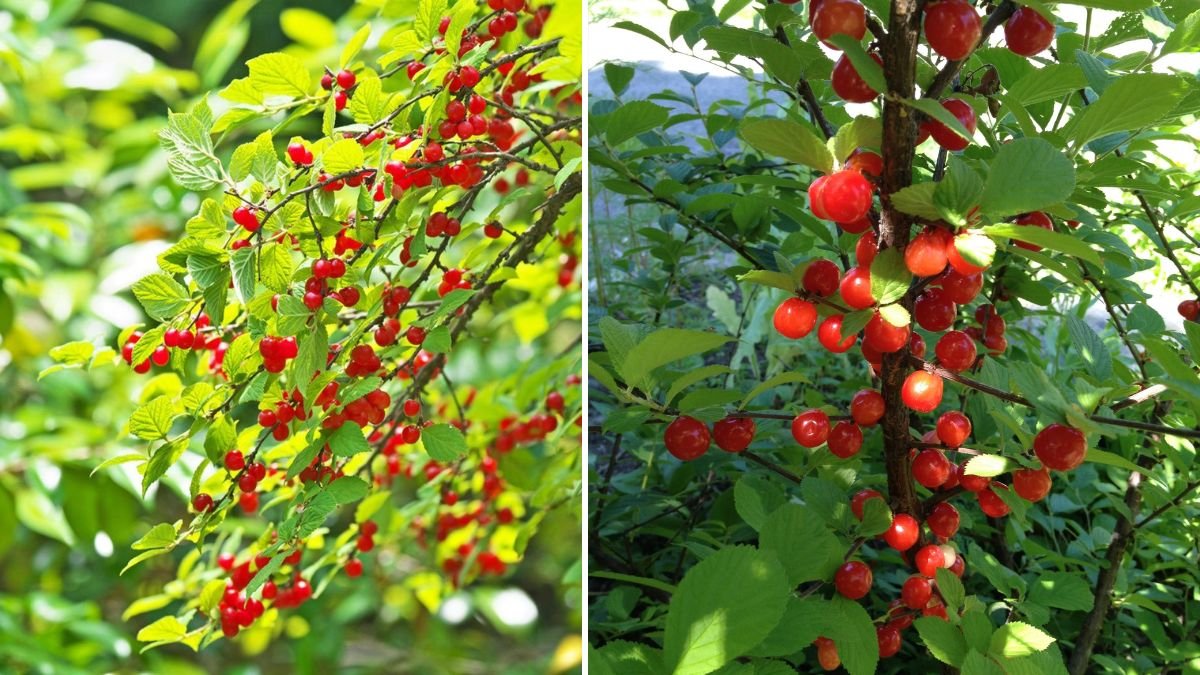
The Nanking cherry (Prunus tomentosa) is a resilient and aesthetically appealing fruit tree that is well-suited to the Canadian climate. With its ability to thrive in various conditions, the Nanking cherry not only produces delightful fruits but also serves as an attractive ornamental plant. This guide will walk you through everything you need to know about growing Nanking cherries in Canada, from choosing the right location to harvesting your berries.
Understanding Nanking Cherry
Origin and Characteristics
Latest Posts
- Easy Steps to Successfully Grow Bhindi in Grow Bags at Home
- Easy Steps to Grow a Healthy Guava Bonsai at Home for Beginners
- How to Successfully Grow and Cultivate White Strawberry Plants at Home for Delicious and Unique Fruits
- Ultimate Guide to Successfully Growing Weeping Fig Outdoors with Proven Techniques and Expert Tips
- How to Successfully Grow Flemish Beauty Pear Trees in Canada for Optimal Harvest
- Easy Hack to Grow Strawberries Year Round in Your Home Garden for Delicious Harvests
- Growing Flemish Beauty Pears in Canada A Complete Guide for Local Gardens
- The Ultimate Guide to Growing Hibiscus Plants Year Round for Vibrant Blooms and Healthy Foliage
- Easy Ways to Boost the Growth Rate of Your Indoor Peace Lily for Lush Green Foliage
- How to Successfully Grow Oak Leaf Lettuce in Your Home Garden for Fresh and Flavorful Salads
Nanking cherry is believed to be native to China and was named after the former capital city, Nanjing. This deciduous shrub typically grows to about 6–10 feet tall and can spread up to 8 feet wide, boasting pink to white flowers that bloom in spring. The tree produces small red cherries that are both sweet and tart, making them perfect for various culinary uses, including jams, jellies, and desserts.
Hardiness Zones
The Nanking cherry is hardy in USDA zones 2 to 7, making it suitable for most regions in Canada. It easily adapts to cold weather, allowing it to survive harsh Canadian winters.
Selecting a Site
Choosing the right site for planting Nanking cherries is crucial for their growth and fruit production. Here are some considerations for site selection:
Sunlight
Nanking cherries thrive in full sunlight. Aim for a location that receives at least 6-8 hours of direct sunlight daily. This exposure helps promote flowering and fruiting.
Soil Type
Well-drained, sandy loam or clay loam soil is ideal for Nanking cherries. While they can adapt to a variety of soil types, they do best in slightly acidic to neutral pH levels (between 6.0 to 7.0).
Space
Plant Nanking cherry trees at least 3-5 feet apart to allow for adequate airflow and growth. This spacing helps to prevent fungal diseases and ensures that each tree has enough resources to thrive.
Planting Nanking Cherry
When to Plant
The best time to plant Nanking cherry is in early spring or late fall, when the risk of frost has decreased, and the soil is workable. Container-grown trees can be planted any time during the growing season, provided they are watered well.
Steps for Planting
-
Prepare the Soil: Remove any weeds, rocks, or debris from the planting area. Loosen the soil to a depth of about 12 inches.
-
Dig the Hole: Create a hole that is about twice as wide and as deep as the root ball of your Nanking cherry.
-
Add Organic Material: Mix in compost or well-rotted manure to enrich the soil.
-
Plant the Tree: Place the tree in the center of the hole, ensuring that the top of the root ball is level with the surrounding soil. Fill the hole with soil, gently tamping it down to eliminate air pockets.
-
Water Thoroughly: After planting, give the tree a good watering to help settle the soil.
-
Mulch: Apply a layer of organic mulch around the base of the tree to retain moisture and suppress weeds.
Caring for Nanking Cherry
Watering
Water your Nanking cherry deeply once a week, especially during dry spells. However, avoid overwatering, as this can lead to root rot. Establishing a consistent watering schedule during the first year is crucial for the tree’s development.
Fertilizing
Fertilize Nanking cherries in early spring using a balanced, slow-release fertilizer. A nitrogen-rich fertilizer can encourage leafy growth, while other nutrients like phosphorus and potassium will support flower and fruit production.
Pruning
Pruning should be done annually in late winter or early spring before new growth begins. Remove dead or damaged branches, and thin out crowded areas to enhance air circulation. This practice promotes healthy growth and encourages fruit production.
Pest and Disease Management
While Nanking cherries are relatively resistant to diseases, they can occasionally be affected by pests like aphids, cherry fruit flies, and spider mites.
- Preventative Measures: Keeping the tree healthy through adequate watering, proper spacing, and correct pruning can minimize pest issues.
- Natural Remedies: If you notice an infestation, use insecticidal soap or a neem-oil solution to manage pests effectively.
Harvesting Nanking Cherry
Nanking cherries generally produce fruit in their second or third year after planting. The fruits ripen in late summer, usually in July to August, depending on the climate.
Harvesting Tips
-
Determine Ripeness: The cherries will turn a vibrant red when ripe. Taste a few to assess sweetness.
-
Gently Pick: Harvest cherries by gently twisting or pulling them off the stem. Be cautious to avoid bruising the fruit.
-
Store Properly: Store unwashed cherries in the refrigerator for several days. They can also be frozen for long-term storage.
Common Culinary Uses
Nanking cherries can be used in a variety of ways:
- Jams and Jellies: Their sweet-tart flavor makes them ideal for preserves.
- Baking: Incorporate them in pies, tarts, and muffins.
- Fresh Eating: Enjoy them raw for a healthy snack or add them to salads.
FAQs
1. Can Nanking cherries grow in pots?
Yes, Nanking cherries can be grown in pots as long as you choose a sufficiently large container (at least 5 gallons) with good drainage. Make sure to water regularly and use quality potting soil.
2. How long does it take for Nanking cherries to bear fruit?
Nanking cherries typically bear fruit in their second or third year after planting, depending on care and environmental conditions.
3. Do I need more than one Nanking cherry for pollination?
While Nanking cherries are self-pollinating, planting multiple trees can enhance fruit set and yield.
4. How can I encourage more fruit production?
To encourage more fruit production, ensure your trees receive full sunlight, proper watering, and balanced fertilization. Pruning also helps by promoting airflow and sunlight penetration, which can improve fruit yield.
5. What common pests affect Nanking cherries?
Common pests include aphids, cherry fruit flies, and spider mites. Maintaining healthy orchard practices can help minimize these issues.
6. Are Nanking cherries edible?
Yes, Nanking cherries are edible and are known for their unique sweet-tart flavor. They are often used in culinary dishes and preserves.
Conclusion
Growing Nanking cherries in Canada is a rewarding endeavor that promises both landscape beauty and delicious fruit. With proper care—including site selection, soil management, watering, pruning, and pest control—you can successfully cultivate these charming trees and enjoy their benefits in your home garden. Whether you’re looking to add ornamental value to your yard or seeking a delicious and productive fruit crop, Nanking cherry is an excellent choice for Canadian gardeners. Happy gardening!