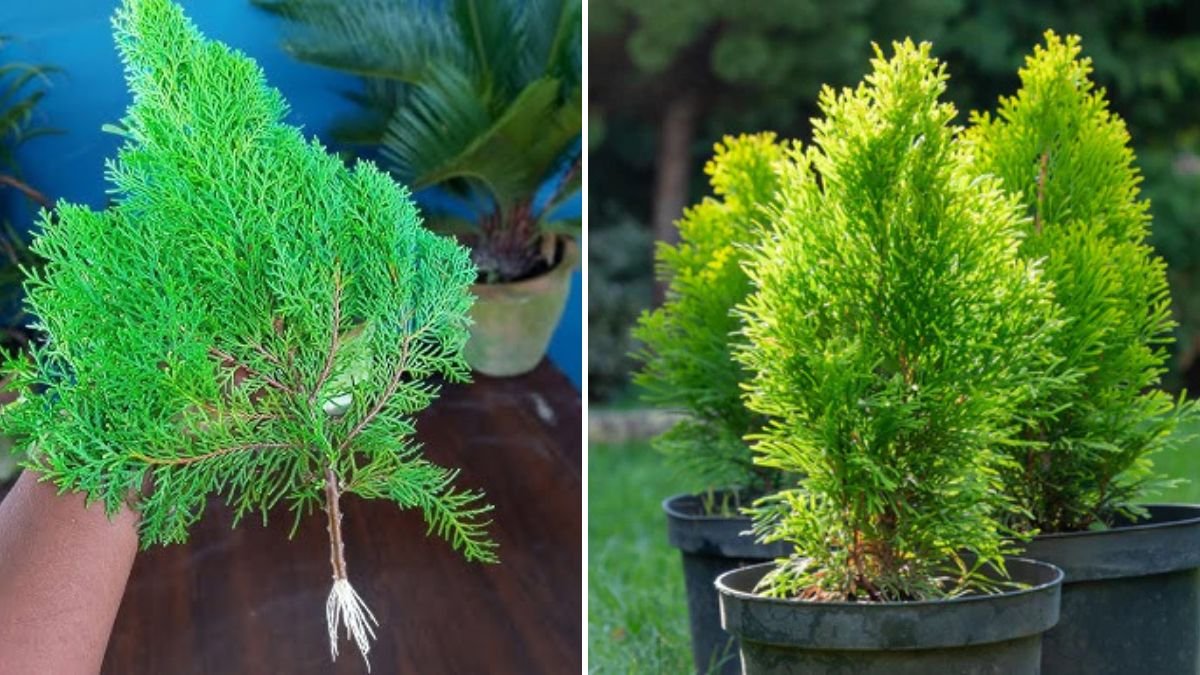
Thuja, commonly known as arborvitae, is a popular evergreen tree or shrub favored by gardeners for its lush, vibrant green foliage and its ability to create stunning decorative garden spaces. Whether you’re looking to establish a privacy screen, provide a windbreak, or add a touch of elegance to your outdoor area, Thuja has a lot to offer. In this article, we will explore the best methods for growing Thuja, ensuring that your garden flourishes with these majestic plants.
Understanding Thuja
Species Diversity
Latest Posts
- Easy Steps to Successfully Grow Bhindi in Grow Bags at Home
- Easy Steps to Grow a Healthy Guava Bonsai at Home for Beginners
- How to Successfully Grow and Cultivate White Strawberry Plants at Home for Delicious and Unique Fruits
- Ultimate Guide to Successfully Growing Weeping Fig Outdoors with Proven Techniques and Expert Tips
- How to Successfully Grow Flemish Beauty Pear Trees in Canada for Optimal Harvest
- Easy Hack to Grow Strawberries Year Round in Your Home Garden for Delicious Harvests
- Growing Flemish Beauty Pears in Canada A Complete Guide for Local Gardens
- The Ultimate Guide to Growing Hibiscus Plants Year Round for Vibrant Blooms and Healthy Foliage
- Easy Ways to Boost the Growth Rate of Your Indoor Peace Lily for Lush Green Foliage
- How to Successfully Grow Oak Leaf Lettuce in Your Home Garden for Fresh and Flavorful Salads
There are several species of Thuja, with the most common being:
- Thuja occidentalis (Eastern Arborvitae)
- Thuja plicata (Western Red Cedar)
- Thuja Standishii (Japanese Arborvitae)
Each species has unique characteristics in terms of growth habits, size, and appearance, allowing you to select the right type for your needs.
Benefits of Thuja
Apart from aesthetic appeal, Thuja offers several benefits, including:
- Privacy: Their dense foliage provides excellent cover for creating private spaces in your garden.
- Windbreak: Thuja can act as a natural windbreak, shielding your garden from harsh winds.
- Wildlife Habitat: These trees are also beneficial for local wildlife, providing shelter and food for birds and small mammals.
Best Growing Practices
To grow lush and healthy Thuja plants, follow these essential guidelines:
1. Selecting the Right Location
Choose a location that meets the following criteria:
-
Sunlight: Most Thuja species prefer full sun (at least 6 hours of direct sunlight per day). However, some varieties may tolerate partial shade.
-
Soil Quality: Thuja thrives in well-draining soil that has a slightly acidic to neutral pH (between 6.0 and 7.0). Conduct a soil test to determine its composition before planting.
-
Space: Ensure adequate space for growth. Larger varieties need at least 3 to 10 feet between plants, while smaller varieties can be planted slightly closer together.
2. Planting Thuja
Best Time to Plant
The ideal time to plant Thuja is in early spring or early fall when temperatures are cooler, and the stress of planting is minimized.
Planting Steps
-
Prepare the Site: Clear the area of weeds and debris. Dig holes that are about twice the width and as deep as the root ball.
-
Soil Amendments: Mix the extracted soil with organic matter, such as compost, to improve drainage and nutrient content.
-
Planting: Remove the Thuja from its container, gently loosen any tightly bound roots, and place it in the center of the hole. Backfill with soil, ensuring that the top of the root ball is level with the surrounding ground.
-
Watering: Water thoroughly after planting to help settle the soil. This initial watering is crucial for root establishment.
3. Watering Needs
Thuja requires regular watering, especially during the first year after planting. Follow these guidelines:
-
Frequency: Water deeply once a week during dry periods. Adjust frequency based on rainfall and soil moisture levels.
-
Mulching: Apply a layer of organic mulch around the base to retain moisture and suppress weeds.
4. Fertilization
To encourage healthy growth, fertilize your Thuja plants annually in early spring. Choose a slow-release fertilizer that is balanced (such as 10-10-10) and follow the package instructions for application rates.
5. Pruning and Maintenance
Regular maintenance helps keep Thuja looking its best:

-
Pruning: Light pruning is necessary to shape the plants and promote denser growth. The best time to prune is in late winter or early spring before new growth begins. Remove dead or damaged branches as needed.
-
Pest and Disease Management: Monitor for pests like spider mites and aphids. Implement insecticidal soap or neem oil treatments if necessary. Look out for diseases such as blight and root rot, which can be prevented with good airflow and proper watering techniques.
6. Winter Care
In colder climates, Thuja may need some additional care during winter:
-
Protection: Apply mulch at the base of the plant to protect roots from freezing temperatures. Consider wrapping young plants in burlap to shield them from winter winds and heavy snow.
-
Watering: Winter watering is essential. During dry winter spells, give the plants a thorough soaking, especially if there’s little snowfall.
Creative Uses for Thuja in the Landscape
Thuja can enhance your garden’s appeal in various creative ways:
-
Privacy Screens: Plant in a row to create effective privacy screens.
-
Accent Trees: Use taller varieties as standalone accent pieces in your landscape design.
-
Mixed Borders: Combine Thuja with other shrubs and perennials to create vibrant mixed borders.
-
Topiary: Train Thuja into topiary shapes for a whimsical touch.
-
Winter Interest: The evergreen foliage of Thuja provides year-round beauty, even in winter when many plants are bare.
Potential Problems
While Thuja is relatively easy to maintain, you may encounter some challenges:
-
Overwatering: This can cause root rot, which is detrimental to the health of the plant.
-
Pests and Diseases: Watch out for signs of pests and diseases to address issues early.
FAQs
Q1: How fast does Thuja grow?
A1: Depending on the variety, Thuja can grow between 12 to 24 inches per year, making it a relatively fast-growing option for landscape design.
Q2: Can Thuja be grown in containers?
A2: Yes, Thuja can be grown in large pots or containers. Just ensure that there is adequate drainage and that the pot is large enough to support their root system.
Q3: Are Thuja plants deer resistant?
A3: While no plant is entirely deer-proof, Thuja tends to be more resistant to deer than other ornamental plants, making it a suitable choice for deer-prone areas.
Q4: Do Thuja plants require a lot of maintenance?
A4: Thuja is low-maintenance once established. Regular watering, occasional pruning, and monitoring for pests are the main maintenance tasks.
Q5: Can I shape my Thuja plants for a formal hedge?
A5: Yes, with regular pruning, Thuja can easily be shaped into a formal hedge, which adds structure and elegance to your garden design.
Conclusion
Growing Thuja is a rewarding endeavor that can elevate the aesthetic appeal of your outdoor space. By following the guidelines outlined above—choosing the right location, ensuring proper planting and care, and creatively incorporating them into your landscape—you can achieve lush, decorative garden spaces. With their versatility and resilience, Thuja plants are an excellent choice for any gardener looking to enhance their environment. So, get started on your Thuja journey today!