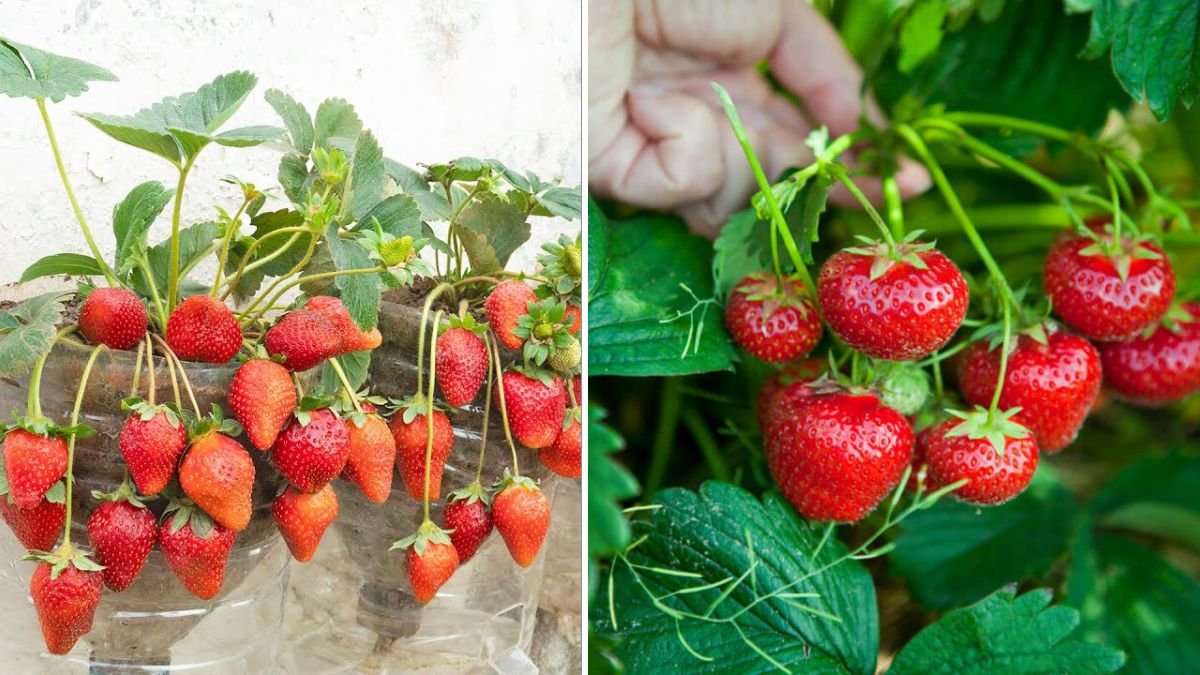
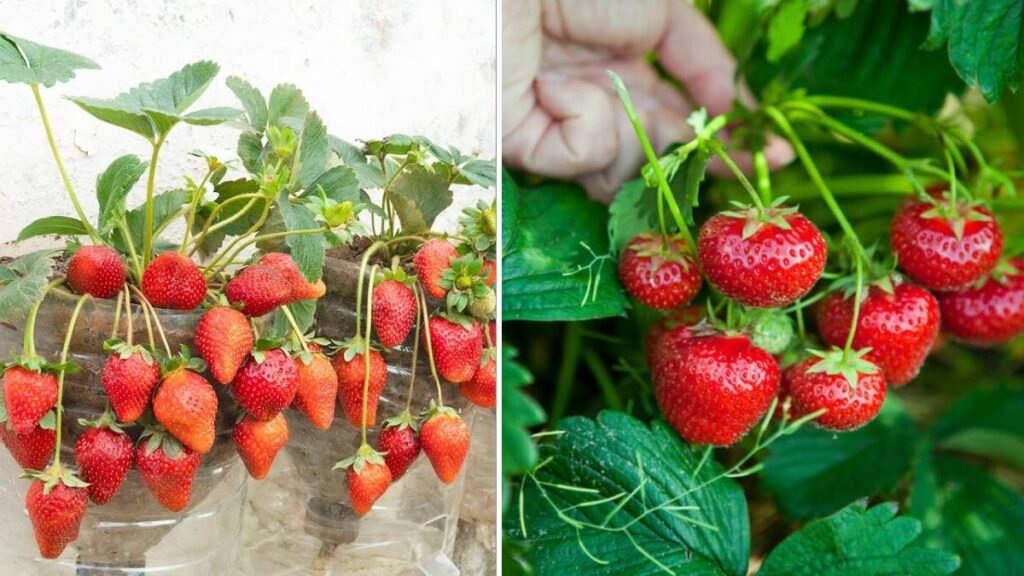
Urban gardening often feels limited by space, sunlight, and budget. Hanging plastic bottle gardening solves all these problems beautifully. Strawberries are ideal for vertical growing because of their shallow roots. Using recycled bottles saves money and reduces waste. This method allows city dwellers to grow fresh fruit on balconies, windows, and walls. Hanging bottles improve air circulation and reduce soil diseases. With proper care, these small containers can produce surprisingly large harvests. This article explains how to grow sweet, juicy strawberries using this smart urban gardening hack.
Why Strawberries Thrive in Hanging Containers
Strawberries naturally spread outward rather than downward. Hanging containers keep fruits off the soil, preventing rot. Improved airflow reduces fungal diseases. Sunlight reaches leaves evenly from all sides. Pests are easier to control when plants are elevated. Water drainage is more efficient in vertical setups. Hanging systems also make harvesting easier. This setup mimics natural strawberry growth patterns.
Choosing the Best Strawberry Varieties
Not all strawberries perform well in containers. Ever-bearing and day-neutral varieties are best. These types produce fruit multiple times a year. Compact growth habits suit small bottles. Disease-resistant varieties reduce maintenance. Fast-fruiting plants provide quicker rewards. Healthy runners ensure future propagation. Selecting the right variety directly affects yield and sweetness.
Best Strawberry Types for Hanging Bottles
| Variety Type | Fruit Cycle | Container Suitability |
|---|---|---|
| Day-neutral | Continuous | Excellent |
| Ever-bearing | Multiple harvests | Very good |
Selecting Suitable Plastic Bottles
Two-liter or five-liter plastic bottles work well. Bottles should be cleaned thoroughly. Cut side openings carefully for planting. Drainage holes are essential at the bottom. Transparent bottles should be wrapped to protect roots from sunlight. Strong bottles last multiple seasons. Recycled water bottles are ideal. Proper bottle preparation ensures plant health.
Latest Posts
- Easy Steps to Successfully Grow Bhindi in Grow Bags at Home
- Easy Steps to Grow a Healthy Guava Bonsai at Home for Beginners
- How to Successfully Grow and Cultivate White Strawberry Plants at Home for Delicious and Unique Fruits
- Ultimate Guide to Successfully Growing Weeping Fig Outdoors with Proven Techniques and Expert Tips
- How to Successfully Grow Flemish Beauty Pear Trees in Canada for Optimal Harvest
- Easy Hack to Grow Strawberries Year Round in Your Home Garden for Delicious Harvests
- Growing Flemish Beauty Pears in Canada A Complete Guide for Local Gardens
- The Ultimate Guide to Growing Hibiscus Plants Year Round for Vibrant Blooms and Healthy Foliage
- Easy Ways to Boost the Growth Rate of Your Indoor Peace Lily for Lush Green Foliage
- How to Successfully Grow Oak Leaf Lettuce in Your Home Garden for Fresh and Flavorful Salads
Creating Proper Drainage
Good drainage prevents root rot and fungal disease. Multiple holes allow excess water to escape. A thin layer of gravel improves drainage. Hanging bottles dry faster than pots. Proper drainage keeps roots oxygenated. Balanced moisture is critical for strawberries. Avoid water accumulation at the base. Drainage directly affects fruit quality.
Preparing the Ideal Soil Mix
Strawberries prefer light, fertile soil. Mix garden soil with compost and coco peat. Sand improves drainage and root expansion. Avoid heavy clay soil. Organic matter boosts flowering. Loose soil allows runners to develop easily. Healthy soil ensures sweeter fruit. Soil quality determines overall success.
Planting Strawberries Correctly
Plant crowns at the correct height. The crown should sit just above soil level. Deep planting causes rot. Firm soil gently around roots. Water immediately after planting. Avoid overcrowding in bottles. One plant per opening works best. Proper planting ensures strong establishment.

Hanging Setup and Placement
Hang bottles securely using strong wire or rope. Place them where they receive morning sunlight. Avoid extremely windy locations. Vertical alignment saves space. Proper spacing allows airflow. Ensure easy access for watering. Stable hanging prevents plant stress. Safe placement protects plants and people.
Sunlight Requirements
Strawberries need at least six hours of sunlight daily. Morning sun improves fruit sweetness. Too much heat causes leaf stress. Partial afternoon shade is beneficial. Rotate bottles if sunlight is uneven. Insufficient light reduces fruiting. Balanced sunlight ensures continuous harvest. Light management is key.
Watering Hanging Strawberry Bottles
Hanging containers dry quickly. Water regularly but lightly. Avoid soaking soil completely. Morning watering is best. Drip watering systems work well. Consistent moisture prevents bitter fruit. Mulching helps retain water. Proper watering keeps plants productive.
Feeding Strawberries for Maximum Yield
Strawberries need regular feeding. Organic liquid fertilizer works best. Feed every two weeks. Potassium boosts flowering and fruiting. Avoid excessive nitrogen. Balanced nutrition improves sweetness. Compost tea is effective. Proper feeding ensures continuous harvest.

Strawberry Feeding Guide
| Growth Stage | Nutrient Focus |
|---|---|
| Leaf growth | Light nitrogen |
| Flowering | Balanced nutrients |
| Fruiting | Potassium |
Managing Runners in Bottles
Runners drain energy from fruiting plants. Remove excess runners regularly. Allow a few for propagation if desired. Controlled runners increase fruit size. Overcrowding reduces yield. Trim runners carefully. Runner management improves plant health. Balanced growth ensures productivity.
Natural Pest Control
Aphids and mites are common pests. Neem oil controls them effectively. Hanging plants face fewer soil pests. Regular inspection prevents infestations. Remove damaged leaves promptly. Avoid chemical sprays. Healthy plants resist pests better. Natural control keeps fruit safe.
Preventing Common Diseases
Good airflow reduces fungal issues. Avoid wetting leaves excessively. Remove infected plants immediately. Use clean tools. Proper drainage prevents root disease. Healthy soil reduces risk. Hanging systems naturally reduce disease pressure. Prevention saves effort.

Flowering and Pollination
Strawberry flowers self-pollinate. Gentle shaking helps pollination. Bees also assist naturally. Healthy flowers lead to better fruit. Nutrient balance affects flower quality. Avoid spraying during flowering. Proper care improves fruit set. Pollination impacts harvest size.
Fruit Development and Care
Developing fruits need consistent moisture. Avoid letting soil dry completely. Mulch protects roots. Remove damaged fruits early. Healthy fruits grow evenly. Adequate potassium improves flavor. Support heavy clusters if needed. Good care ensures juicy berries.
Harvesting Strawberries
Harvest when berries turn fully red. Morning harvest preserves freshness. Use scissors to avoid plant damage. Frequent harvesting encourages more fruit. Do not pull fruits forcefully. Fresh strawberries taste best. Harvest gently for longevity. Proper harvesting extends production.
Expected Yield from Hanging Bottles
Each bottle can produce multiple harvests. Yield depends on variety and care. Vertical setups maximize space efficiency. Continuous fruiting is possible. Urban gardeners enjoy steady supply. Small systems produce impressive results. Productivity improves with experience. Hanging gardens are highly rewarding.

Environmental Benefits
Recycling plastic reduces waste. Saves space and water. Produces chemical-free fruit. Encourages sustainable living. Perfect for urban homes. Reduces grocery costs. Promotes eco-friendly habits. Gardening improves well-being.
Conclusion
Growing strawberries in hanging plastic bottles is a powerful urban gardening hack. It transforms waste into productive space. With proper soil, sunlight, and care, anyone can enjoy sweet homegrown strawberries. This method proves that small spaces can deliver big harvests.