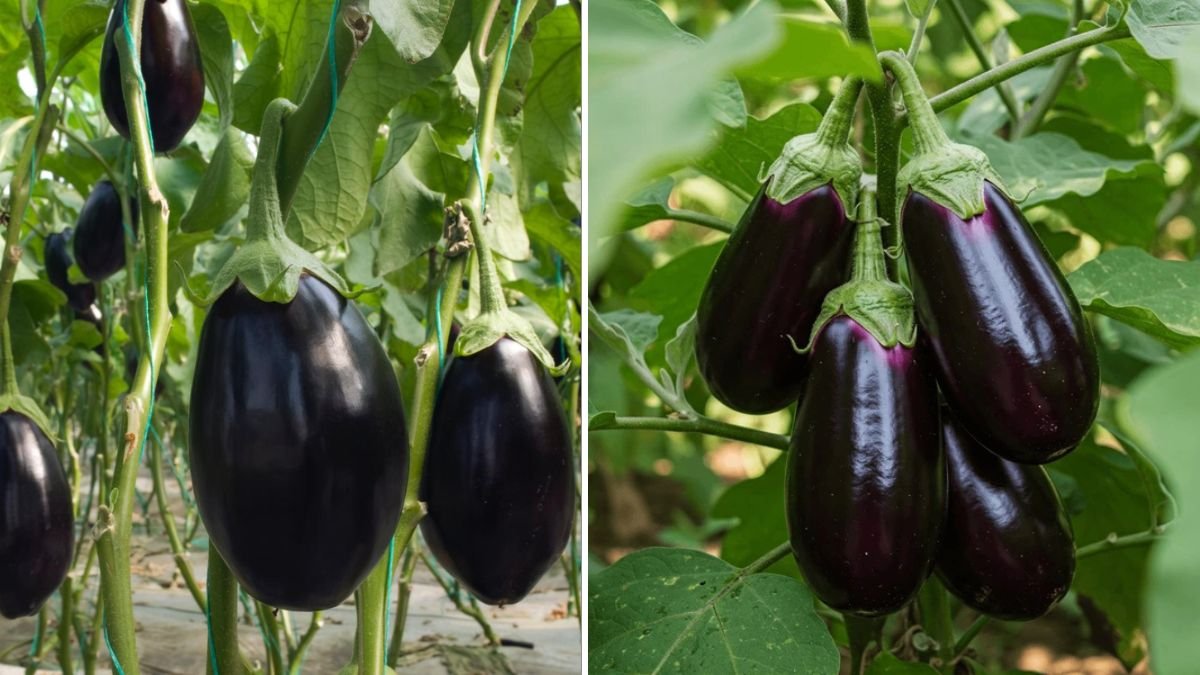
Tomatoes and eggplants are staple vegetables in many cuisines. Growing them together in a shared garden space maximizes efficiency and yield. Both plants thrive in similar conditions, making companion planting ideal. Proper soil preparation, watering, and care are crucial to ensure healthy growth. This article provides a detailed guide for beginners and experienced gardeners alike. From planting to harvesting, every step is explained for optimal results.
Why Grow Tomatoes and Eggplants Together
Both plants belong to the Solanaceae family and share similar care requirements. Companion planting improves space efficiency. They can benefit from similar fertilization and watering schedules. Pest management is easier when plants are grown together strategically. Growing both vegetables simultaneously saves time and resources. Their different growth heights allow effective sunlight utilization. Supports biodiversity and healthier soil. Promotes continuous harvests for home consumption.
Materials Needed
Seeds or seedlings of tomatoes and eggplants, high-quality soil, pots or garden beds, stakes or cages, fertilizers, and water sources. Optional tools include mulch, trellises, and organic pest control solutions. Labeling tools help track varieties. Choose containers or beds based on garden space. Ensure proper spacing to prevent overcrowding.

Soil Preparation
Prepare nutrient-rich soil with compost, manure, or organic fertilizers. Maintain soil pH between 6.0 and 6.8. Ensure well-draining soil to avoid waterlogging. Loosen the soil to encourage strong root growth. Mulch helps retain moisture and control weeds. Incorporate balanced fertilizers before planting. Remove debris and stones for healthy plant development. Ensure soil is warm enough before transplanting seedlings.
Choosing Seedlings
Select disease-free and vigorous tomato and eggplant seedlings. Look for strong stems and vibrant leaves. Avoid stressed or wilted plants. Label each variety for organized planting. Choose compact varieties for smaller spaces. Check root health to prevent transplant shock. Harden seedlings by gradually exposing them to outdoor conditions. Avoid overcrowding by selecting an appropriate number of seedlings.
Latest Posts
- Easy Steps to Successfully Grow Bhindi in Grow Bags at Home
- Easy Steps to Grow a Healthy Guava Bonsai at Home for Beginners
- How to Successfully Grow and Cultivate White Strawberry Plants at Home for Delicious and Unique Fruits
- Ultimate Guide to Successfully Growing Weeping Fig Outdoors with Proven Techniques and Expert Tips
- How to Successfully Grow Flemish Beauty Pear Trees in Canada for Optimal Harvest
- Easy Hack to Grow Strawberries Year Round in Your Home Garden for Delicious Harvests
- Growing Flemish Beauty Pears in Canada A Complete Guide for Local Gardens
- The Ultimate Guide to Growing Hibiscus Plants Year Round for Vibrant Blooms and Healthy Foliage
- Easy Ways to Boost the Growth Rate of Your Indoor Peace Lily for Lush Green Foliage
- How to Successfully Grow Oak Leaf Lettuce in Your Home Garden for Fresh and Flavorful Salads
Planting Techniques
Plant tomatoes and eggplants with proper spacing to prevent competition. Tomatoes may need staking or cages, while eggplants benefit from sturdy supports. Dig holes deep enough to cover root balls. Water immediately after planting. Mulch around the base for moisture retention. Rotate plants yearly to avoid soil depletion. Ensure adequate sunlight for all plants. Space taller plants at the back to prevent shading.

Watering Guidelines
Water deeply at the base to encourage strong roots. Avoid overhead watering to reduce fungal risks. Tomatoes and eggplants prefer consistent moisture. Mulching reduces water evaporation and maintains soil temperature. Check soil moisture regularly and adjust watering frequency. Use drip irrigation for efficiency. Prevent water stress to avoid flower drop or fruit cracking. Ensure drainage to prevent root rot.
Fertilization Schedule
Use nitrogen-rich fertilizers early for vegetative growth. Switch to phosphorus and potassium fertilizers during flowering and fruiting. Organic options like compost tea or manure are effective. Fertilize every 2-3 weeks based on plant growth. Avoid over-fertilizing, which can harm plant roots. Balanced feeding improves fruit size and taste. Supplement with micronutrients like magnesium and calcium. Monitor soil fertility for long-term garden health.
Pruning and Support
Prune tomatoes to remove suckers and focus energy on main stems. Support both plants with stakes or cages. Remove yellow or damaged leaves promptly. Pruning improves airflow and reduces disease risk. Training plants vertically maximizes space. Eggplants benefit from support to prevent stem breakage. Regular trimming encourages stronger branches. Monitor growth regularly to maintain plant structure.

Pest and Disease Control
Common pests include aphids, whiteflies, and caterpillars. Use neem oil or organic sprays for prevention. Monitor regularly for fungal infections like blight. Maintain proper spacing to improve airflow. Rotate crops to reduce soil-borne pathogens. Encourage beneficial insects like ladybugs and lacewings. Remove affected leaves immediately. Avoid excessive nitrogen, which attracts pests.
Harvesting Tomatoes
Harvest tomatoes when fully colored and firm. Use scissors or hands to avoid damaging stems. Frequent harvesting encourages continuous fruiting. Store tomatoes in a cool, dry place. Monitor for overripe fruits to prevent rot. Harvest small fruits early to encourage larger ones. Picking in the morning enhances flavor. Avoid bruising during collection.
Harvesting Eggplants
Harvest eggplants when skin is glossy and firm. Avoid letting fruits over-mature, as they become bitter. Use a sharp knife or scissors to cut fruit. Regular harvesting promotes continuous production. Monitor plant health and remove damaged fruits. Store in a cool place to extend shelf life. Harvest in the morning for optimal quality. Ensure careful handling to prevent bruising.

Companion Benefits
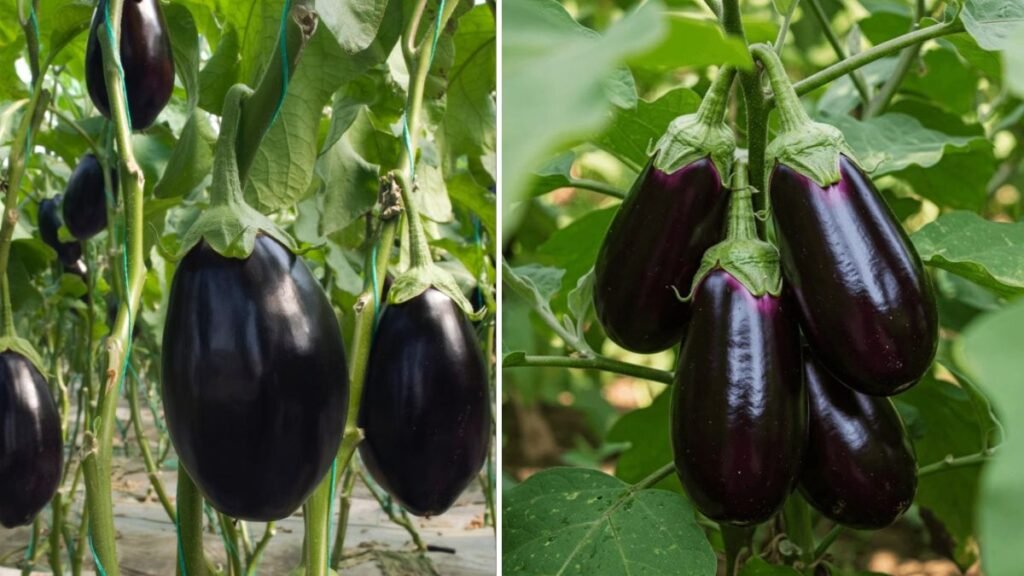
Tomatoes and eggplants benefit from shared nutrients and sunlight. Companion planting reduces pest infestations. Both plants thrive under similar watering and fertilization regimes. This method maximizes garden space. Provides continuous harvest of two essential vegetables. Improves soil structure with consistent care. Promotes efficient garden management. Enhances home vegetable supply.
Common Issues and Solutions
Blossom end rot is common due to calcium deficiency; add lime or calcium supplements. Fungal infections arise from poor airflow; prune and space plants adequately. Overwatering causes root rot; maintain proper drainage. Aphids and caterpillars can be controlled with neem oil. Yellowing leaves may indicate nutrient deficiencies; adjust fertilization. Rotate crops to prevent soil-borne diseases. Monitor growth regularly. Remove diseased parts immediately.
Cost Analysis Table
| Item | Quantity | Cost (USD) | Notes |
|---|---|---|---|
| Tomato Seedlings | 5 | 7 | Healthy plants |
| Eggplant Seedlings | 5 | 6 | Disease-free |
| Soil/Compost | 20 kg | 10 | Nutrient-rich |
| Fertilizers | 2 bottles | 8 | NPK balanced |
| Stakes/Cages | 10 | 12 | Support |
| Total | – | 43 | Approximate cost |
Conclusion
Growing tomatoes and eggplants together is an efficient and rewarding method for home gardeners. Proper soil preparation, watering, fertilization, and pest management ensure healthy plants and abundant harvests. Companion planting maximizes space and improves productivity. By following these detailed steps, anyone can enjoy fresh, high-quality tomatoes and eggplants throughout the season. Start planting today for a thriving, sustainable vegetable garden.