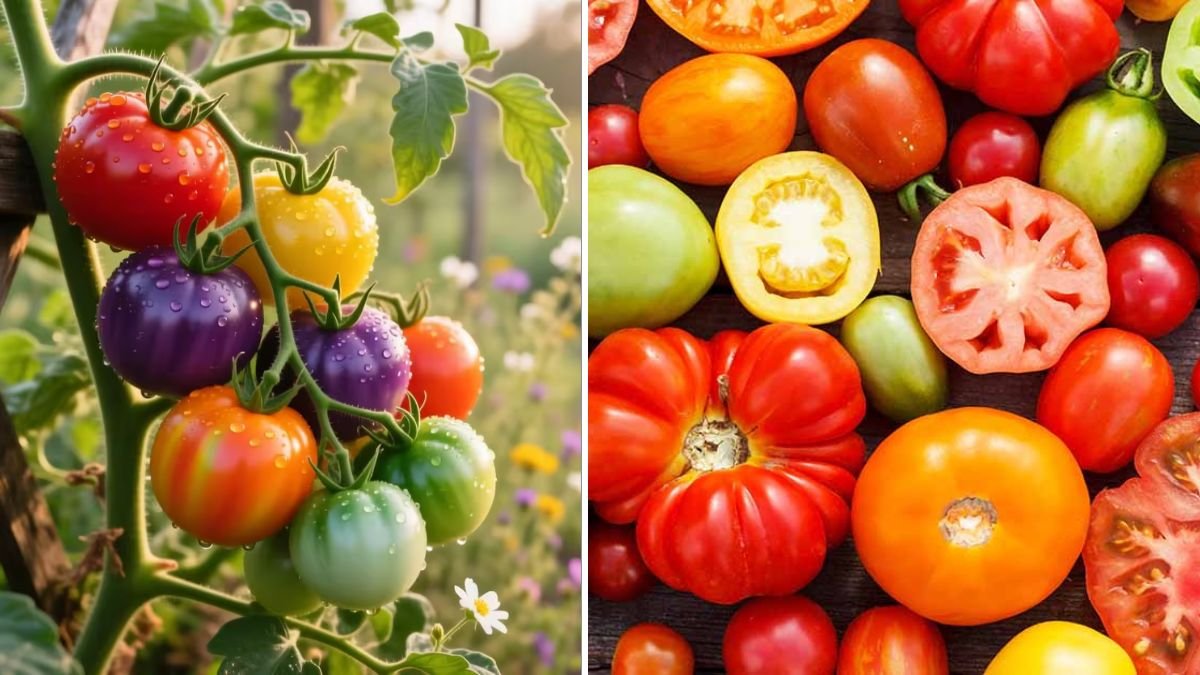
Growing tomatoes from seeds can be slow, but using stem cuttings accelerates growth and yields. This method allows gardeners to propagate tomato plants efficiently while saving time and effort. Stem cuttings root faster, produce strong plants, and can be repeated multiple times. By following simple techniques, even beginners can achieve abundant harvests. Additionally, stem cuttings maintain the characteristics of the parent plant, ensuring fruit quality. This guide explores step-by-step techniques, care tips, and harvesting strategies for successful tomato propagation.
Why Use Stem Cuttings for Tomatoes
Stem cutting propagation is faster than seed germination. Plants develop a strong root system quickly. This method preserves the genetic traits of the parent plant. It reduces dependency on nurseries for new plants. Stem cuttings are cost-effective and require minimal materials. They allow for continuous tomato production throughout the year. Even stressed or pruned plants can be propagated. Fast-rooted cuttings produce earlier and more consistent fruit.
Materials Needed
To grow tomatoes from stem cuttings, you need healthy parent plants, sharp scissors, rooting hormone, planting medium, pots, and water. Optional materials include grow lights, plastic covers for humidity, and labels. Use clean equipment to prevent infections. Choose disease-free stems with 2-3 leaf nodes. Prepare lightweight, well-draining soil for faster root growth. A small tray or container helps manage multiple cuttings efficiently.
Selecting Healthy Tomato Stems
Choose young, vigorous stems rather than woody ones. Look for stems with no disease, pests, or damage. Ideally, select 4-6 inch sections with 2-3 leaf nodes. Avoid flowering stems as they may divert energy from root formation. Inspect for healthy green color and flexibility. Cut below a leaf node at a 45-degree angle to encourage rooting. Trim excess leaves to reduce moisture loss. Proper selection ensures high survival and faster growth.
Preparing Stem Cuttings
Trim the cutting to remove lower leaves, leaving only 1-2 top leaves. Optional: dip the cut end into rooting hormone powder to accelerate root development. Prepare pots with moist planting medium. Make holes in the soil for easy insertion. Place cuttings carefully to avoid bending or breaking. Cover cuttings with a plastic bag to maintain humidity. Keep cuttings in indirect sunlight for initial days. Regularly mist to maintain moisture and encourage rooting.
Latest Posts
- Easy Steps to Successfully Grow Bhindi in Grow Bags at Home
- Easy Steps to Grow a Healthy Guava Bonsai at Home for Beginners
- How to Successfully Grow and Cultivate White Strawberry Plants at Home for Delicious and Unique Fruits
- Ultimate Guide to Successfully Growing Weeping Fig Outdoors with Proven Techniques and Expert Tips
- How to Successfully Grow Flemish Beauty Pear Trees in Canada for Optimal Harvest
- Easy Hack to Grow Strawberries Year Round in Your Home Garden for Delicious Harvests
- Growing Flemish Beauty Pears in Canada A Complete Guide for Local Gardens
- The Ultimate Guide to Growing Hibiscus Plants Year Round for Vibrant Blooms and Healthy Foliage
- Easy Ways to Boost the Growth Rate of Your Indoor Peace Lily for Lush Green Foliage
- How to Successfully Grow Oak Leaf Lettuce in Your Home Garden for Fresh and Flavorful Salads
Planting Stem Cuttings
Insert the cut end into the soil 1-2 inches deep. Firm the soil gently around the base to stabilize the cutting. Space multiple cuttings to allow airflow and reduce disease risk. Keep the medium consistently moist but not waterlogged. Maintain warmth and indirect sunlight for 10-14 days. Monitor growth and remove any wilted or rotting cuttings. Use a propagator or mini-greenhouse for higher success rates.

Rooting and Growth Stage
Roots typically form within 1-3 weeks depending on variety and conditions. Gentle tugging after 2 weeks indicates root formation. Avoid overwatering, which can cause rot. Gradually acclimate rooted cuttings to more sunlight. Apply diluted liquid fertilizer after roots establish. Ensure proper airflow to prevent fungal growth. Monitor for pests such as aphids or whiteflies. Healthy rooted cuttings develop strong stems and leaves ready for transplanting.
Transplanting to Larger Pots or Garden
Once roots are established, transplant cuttings to larger pots or garden beds. Prepare soil enriched with compost and organic matter. Dig a hole slightly larger than the root system. Plant cuttings deeper, burying lower stems to encourage additional root growth. Water immediately after transplanting. Provide support such as stakes or cages for climbing varieties. Mulch around the base to retain moisture and prevent weeds. Continue monitoring for pests and diseases.
Choosing the Right Soil and Fertilizers
Tomatoes thrive in well-draining soil with pH 6.0-6.8. Mix compost, peat, or cocopeat for nutrient-rich media. Use organic fertilizers like vermicompost or liquid seaweed extracts. Avoid excessive nitrogen, which promotes leaves over fruits. Apply phosphorus and potassium to support flowering and fruiting. Soil fertility can be tested and adjusted periodically. Rotate crops to prevent nutrient depletion. Maintain soil moisture consistently for optimum growth.

Irrigation Tips for Healthy Growth
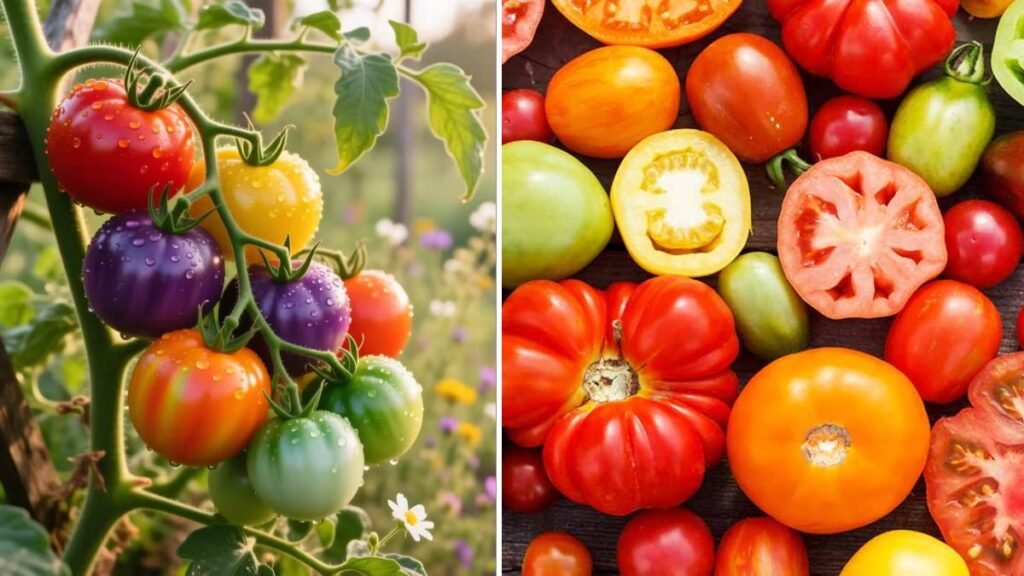
Watering is crucial, especially for newly transplanted cuttings. Use drip irrigation or watering cans for consistent moisture. Avoid wetting leaves excessively to prevent fungal infections. Water deeply but infrequently to promote strong roots. Mulching retains soil moisture and reduces temperature fluctuations. Early morning watering is ideal for nutrient absorption. Monitor soil moisture regularly, especially in hot climates. Proper irrigation ensures healthy growth and maximum yield.
Pruning and Maintenance
Remove suckers and unnecessary leaves for better airflow. Pruning redirects energy to fruit production. Regularly check for diseased or yellowing leaves. Support tall varieties with stakes or cages. Thin overcrowded branches to prevent shading. Keep the garden weed-free. Apply natural pest repellents when necessary. Proper maintenance encourages early fruit set and reduces disease risk.
Pest and Disease Management
Common pests include aphids, whiteflies, and caterpillars. Use neem oil or insecticidal soap as preventive measures. Diseases such as blight or wilt can be controlled with crop rotation and resistant varieties. Remove infected plant parts immediately. Maintain proper spacing and airflow to prevent fungal infections. Mulching helps reduce soil-borne pathogens. Monitor plants daily for early detection. Healthy plants produce higher yields and better quality fruits.

Harvesting Tomatoes from Cuttings
Tomatoes grown from cuttings usually produce fruit faster. Pick fruit when fully colored and firm. Harvesting regularly encourages new fruit formation. Avoid leaving overripe tomatoes on the plant. Gently twist or cut the fruit to prevent plant damage. Store harvested tomatoes at room temperature for best flavor. Continue regular care for ongoing harvests. Multiple cycles from the same parent plant maximize productivity.
Advantages of Stem Cutting Propagation
Faster fruit production compared to seeds. Cost-effective and sustainable. Maintains parent plant traits and quality. Produces uniform plants for easier care. Reduces nursery dependency. Easy for beginners to adopt. Can propagate multiple plants from a single parent. Continuous harvesting throughout the season.
Tips for Maximum Yield
Ensure adequate sunlight for at least 6-8 hours daily. Use organic fertilizers for consistent nutrition. Maintain proper spacing for airflow. Prune regularly to improve flower and fruit formation. Support heavy fruiting branches with stakes or trellises. Monitor irrigation closely for consistent moisture. Rotate varieties to prevent disease buildup. Mulch soil to retain moisture and reduce weeds.

Common Mistakes to Avoid
Using old or diseased stems reduces success rate. Overwatering can cause root rot. Crowding plants increases fungal disease risk. Neglecting pruning reduces yield. Using excessive nitrogen limits fruiting. Not providing support for tall plants causes breakage. Ignoring pests can decimate plants. Planting in poor soil reduces growth and harvest quality.
Cost and Yield Analysis Table
| Item | Quantity | Cost (USD) | Notes |
|---|---|---|---|
| Parent Plant | 1 | 3 | Healthy tomato plant |
| Pots | 5 | 10 | 6-inch pots |
| Soil & Compost | 20 kg | 15 | Nutrient-rich |
| Rooting Hormone | 1 pack | 5 | Accelerates roots |
| Fertilizer | 1 bottle | 5 | Organic liquid |
| Total | – | 38 | Approximate cost |
Conclusion
Growing tomatoes using stem cuttings is an effective, fast, and sustainable method. It produces strong plants, ensures genetic consistency, and delivers early harvests. By following proper propagation, watering, pruning, and care techniques, even beginners can enjoy bountiful tomato crops. This method promotes cost-saving, sustainability, and high-quality produce. Start today to transform your tomato gardening experience.