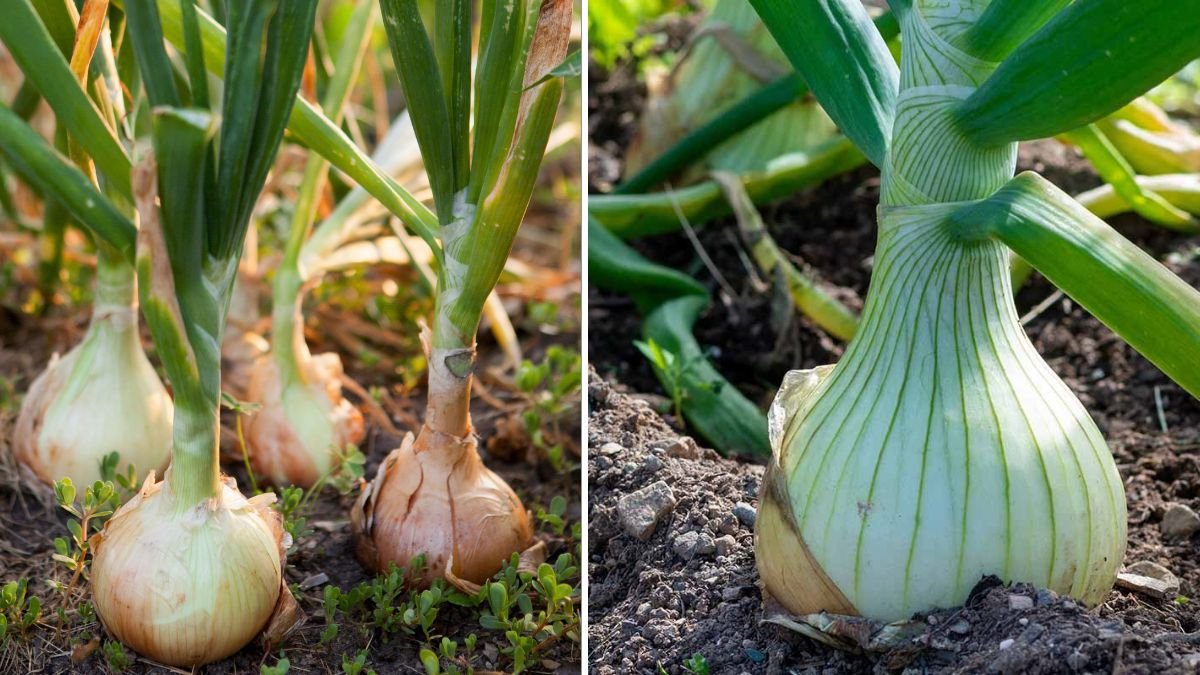
Bunching onions, also known as scallions or spring onions, are versatile and easy to grow, making them an excellent choice for home gardeners. Their mild flavor enhances salads, soups, and various dishes, and they can be harvested continuously throughout the growing season. This article will guide you through the best techniques for cultivating bunching onion leaves at home, ensuring a robust and flavorful crop.
Understanding Bunching Onions
Bunching onions are a type of onion that doesn’t form a bulb and is typically harvested before maturity for its tender green leaves. They are favored in many cuisines around the world due to their mild flavor and crisp texture.
Latest Posts
- Easy Steps to Successfully Grow Bhindi in Grow Bags at Home
- Easy Steps to Grow a Healthy Guava Bonsai at Home for Beginners
- How to Successfully Grow and Cultivate White Strawberry Plants at Home for Delicious and Unique Fruits
- Ultimate Guide to Successfully Growing Weeping Fig Outdoors with Proven Techniques and Expert Tips
- How to Successfully Grow Flemish Beauty Pear Trees in Canada for Optimal Harvest
- Easy Hack to Grow Strawberries Year Round in Your Home Garden for Delicious Harvests
- Growing Flemish Beauty Pears in Canada A Complete Guide for Local Gardens
- The Ultimate Guide to Growing Hibiscus Plants Year Round for Vibrant Blooms and Healthy Foliage
- Easy Ways to Boost the Growth Rate of Your Indoor Peace Lily for Lush Green Foliage
- How to Successfully Grow Oak Leaf Lettuce in Your Home Garden for Fresh and Flavorful Salads
Characteristics
- Varieties: Commonly available varieties include Tokyo Long White, Evergreen Hardy, and White Lisbon.
- Growth Habit: They can grow in clumps and do not require as much spacing as traditional onions.
- Harvesting Time: Bunching onions can be harvested as soon as they reach the desired size, usually within 8 to 12 weeks.
Choosing the Right Location
The first step in cultivating bunching onions is choosing a suitable location. Here are key factors to consider:
1. Sunlight
Bunching onions thrive in full sunlight, so select a spot that receives at least 6 to 8 hours of direct sunlight per day. If outdoor space is limited, consider growing them on a sunny windowsill.
2. Soil Quality
A well-draining, fertile soil enriched with organic matter is vital for healthy growth. Aim for a soil pH between 6.0 and 7.0. You can enhance soil fertility by adding compost or well-rotted manure.
3. Container Gardening
If you don’t have garden space, bunching onions can easily be grown in pots or containers. Ensure that the containers have drainage holes and use a quality potting mix.
Preparing the Soil
-
Clearing the Area
Remove weeds, rocks, and debris from the planting area. -
Tilling the Soil
Loosen the soil to a depth of about 12 inches to improve aeration and root penetration. -
Amending the Soil
Mix in compost or well-rotted manure to increase nutrient content. A slow-release fertilizer can also be beneficial. -
Leveling the Soil
Ensure the soil is level to allow for even water drainage.
Planting Bunching Onion Seeds or Sets
1. Timing
Sow the seeds in early spring or late summer for a continuous harvest. Bunching onions can handle light frost, which makes them a great choice for a fall crop too.
2. Sowing Seeds
- Spacing: Plant the seeds about 1/2 inch deep and space them about 1 inch apart in rows that are 12 inches apart.
- Watering: After sowing, gently water the seeds to settle the soil.
3. Using Sets
If you prefer starting with sets (small onion bulbs), plant them about 1 inch deep and 2-3 inches apart. Space the rows about 12 inches apart.
Watering Techniques
1. Consistency
Bunching onions prefer consistently moist soil. However, overwatering can lead to root rot, so it’s essential to strike a balance.
2. Watering Schedule
Water the onions deeply, about once a week, more often during dry spells. Use a soaker hose or drip irrigation to minimize water on the foliage, which can promote disease.
3. Mulching
Applying a layer of mulch will help retain soil moisture, suppress weeds, and provide organic matter as it breaks down.
Fertilizing Bunching Onions
1. Initial Fertilization
When planting, incorporate a balanced, slow-release fertilizer into the soil to provide essential nutrients.
2. Mid-Season Fertilization
After a few weeks of growth, apply a liquid fertilizer every 4-6 weeks to support continued leaf development. A high-nitrogen fertilizer is beneficial, as it promotes lush green growth.

3. Organic Options
You can also use organic fertilizers like fish emulsion, seaweed extract, or compost tea to feed your plants.
Pest and Disease Management
Bunching onions are generally resilient, but insects and diseases can occasionally pose a threat. Here’s how to manage them:
1. Pests
- Onion Maggots: Prevent by rotating crops and using row covers.
- Thrips: Use insecticidal soap or neem oil to control infestations.
2. Diseases
- Fungal Issues: Ensure proper spacing and airflow around plants. Rotate crops to avoid soil-borne diseases.
- Bacterial Soft Rot: Avoid overhead watering to keep foliage dry.
3. Companion Planting
Planting carrots, beets, or herbs like basil can help deter pests and promote healthy growth.
Harvesting Bunching Onions
1. Timing of Harvest

You can start harvesting bunching onion leaves when they reach about 6 inches tall. Young, tender leaves are generally preferred for culinary use.
2. Method of Harvest
Use sharp scissors or a curved knife to cut the leaves just above the soil line. Avoid pulling out the entire plant so that it can continue to grow.
3. Continuous Harvest
Bunching onions can be harvested continuously. Regular clipping promotes new growth, allowing you to enjoy fresh greens throughout the season.
4. Storage
Store harvested bunching onions in the refrigerator in a sealed container for up to a week. For longer storage, consider dehydrating or freezing.
Best Practices for Year-Round Cultivation
1. Succession Planting
To ensure a continual supply throughout the growing season, stagger your plantings every few weeks.
2. Indoor Growing
Bunching onions can be grown indoors year-round under grow lights or in a sunny spot. Use pots and maintain a consistent watering schedule.
3. Preserving Leaves
If you have an abundant harvest, you can chop and freeze leaves in airtight bags for use throughout the year.
FAQs
1. How long does it take for bunching onions to grow?
Bunching onions typically take about 8 to 12 weeks from seed to harvest.
2. Can I regrow bunching onions from kitchen scraps?
Yes! Place the white roots in water or soil and watch them regrow. Ensure they get ample sunlight.
3. What is the best fertilizer for bunching onions?
A balanced, slow-release fertilizer or a high-nitrogen option like fish emulsion works well.
4. How often should I water bunching onions?
Water them deeply about once a week, adjusting during dry spells for consistent moisture.
5. Can bunching onions grow in pots?
Absolutely! Use a container with drainage holes and a rich potting mix for optimal growth.
6. What pests should I watch out for?
Common pests include onion maggots and thrips; preventive measures and organic pesticides can help manage them.
7. Can I plant bunching onions with other vegetables?
Yes, they make excellent companions for carrots, beets, and various herbs.
In conclusion, cultivating bunching onion leaves at home is a rewarding and straightforward endeavor. With the right techniques in terms of location, soil preparation, watering, pest management, and harvesting, you can enjoy a continual supply of these versatile greens. Whether you’re a seasoned gardener or just starting, following these guidelines will help you grow healthy and delicious bunching onions right at home. Happy gardening!