Cucumbers are ideal for home gardeners with limited space. Plastic containers provide a controlled environment for soil, water, and nutrients. Container gardening minimizes pest problems and reduces weed growth. Cucumbers grown in containers mature faster than those in open fields. Vertical or horizontal container placement maximizes space usage. This method suits balconies, terraces, or small patios. Even beginners can achieve high yields with proper care. Container-grown cucumbers are cleaner and healthier. They allow for continuous monitoring of plant growth. This guide provides step-by-step instructions for optimal results.
Benefits of Plastic Container Cucumber Gardening
Plastic containers are lightweight, portable, and affordable. They help retain moisture while allowing proper drainage. Containers prevent root damage and reduce soil compaction. Vertical growth options save floor space in urban gardens. Pest management is easier in controlled container environments. Soil nutrients remain concentrated for better root absorption. Plastic containers can be reused for multiple seasons. Plants are easier to inspect and maintain. This method promotes continuous flowering and fruiting. Container cucumber gardening is sustainable and productive.
Choosing the Right Cucumber Varieties
Not all cucumbers thrive in containers. Bush and dwarf varieties perform best. Salad cucumbers, hybrid varieties, and compact types are ideal. Early-maturing seeds ensure quicker harvests. Disease-resistant varieties reduce maintenance. Local varieties adapted to climate grow more reliably. Avoid sprawling types that need large horizontal space. Compact growth ensures optimal nutrient usage. Seed quality affects fruit size and taste. Selecting the right variety is essential for a successful container garden.

Selecting Plastic Containers
Choose containers at least 15–18 inches deep. Wider containers allow multiple plants. Drill adequate drainage holes at the bottom. Use food-grade plastic if possible. Recycled containers are fine after thorough cleaning. Light-colored containers prevent excessive heat buildup. Elevate containers slightly for improved drainage. Proper container selection prevents root crowding. Sturdy containers withstand multiple seasons. Well-prepared containers promote healthy plant growth.
Preparing the Soil
Cucumbers require nutrient-rich, well-draining soil. Mix garden soil, compost, and cocopeat in equal proportions. Add vermicompost or organic fertilizer for extra nutrients. A small portion of sand improves drainage. Avoid clay-heavy or compact soil. Soil should hold moisture but remain airy for root expansion. Nutrient-rich soil encourages healthy foliage and flowering. Proper soil preparation ensures higher yield. Balanced soil improves fruit taste and size. Healthy soil is the foundation of successful container gardening.
Latest Posts
- Easy Steps to Successfully Grow Bhindi in Grow Bags at Home
- Easy Steps to Grow a Healthy Guava Bonsai at Home for Beginners
- How to Successfully Grow and Cultivate White Strawberry Plants at Home for Delicious and Unique Fruits
- Ultimate Guide to Successfully Growing Weeping Fig Outdoors with Proven Techniques and Expert Tips
- How to Successfully Grow Flemish Beauty Pear Trees in Canada for Optimal Harvest
- Easy Hack to Grow Strawberries Year Round in Your Home Garden for Delicious Harvests
- Growing Flemish Beauty Pears in Canada A Complete Guide for Local Gardens
- The Ultimate Guide to Growing Hibiscus Plants Year Round for Vibrant Blooms and Healthy Foliage
- Easy Ways to Boost the Growth Rate of Your Indoor Peace Lily for Lush Green Foliage
- How to Successfully Grow Oak Leaf Lettuce in Your Home Garden for Fresh and Flavorful Salads
Planting Cucumber Seeds or Seedlings
Plant seeds 1–2 inches deep in containers or transplant seedlings carefully. Space plants adequately to allow airflow. Keep seedlings in partial shade for a few days. Gradually expose them to full sunlight. Water gently to reduce transplant shock. Proper planting ensures healthy root development. Strong roots promote faster flowering and fruiting. Correct planting enhances overall yield. Well-planted seedlings are easier to maintain. Early-stage care determines long-term success.

Sunlight Requirements
Cucumbers need at least six to eight hours of sunlight daily. Morning sunlight is ideal for initial growth. Lack of sunlight reduces flowering and fruit production. Place containers in open areas with sufficient light. Rotate containers to ensure even exposure. Avoid shaded walls or corners. Adequate sunlight strengthens stems and leaves. Sunlight promotes better fruit size and sweetness. Consistent exposure ensures continuous harvests. Proper light management maximizes productivity.
Watering Schedule
Container cucumbers dry faster than soil-grown plants. Water consistently but avoid waterlogging. Morning watering is preferred to reduce fungal risk. Mulching retains moisture and stabilizes temperature. During hot weather, daily watering may be necessary. Avoid wetting leaves excessively. Balanced watering produces firm, healthy fruits. Ensure proper drainage to prevent root rot. Consistent hydration is key to high yield. Proper water management improves both fruit quality and plant longevity.
Fertilization Techniques
Cucumbers are heavy feeders and require balanced nutrition. Apply liquid compost or vermicompost tea every 10–14 days. Banana peel water supplies potassium for flowering and fruit development. Avoid excessive nitrogen, which promotes leaf growth instead of fruits. Balanced fertilization ensures continuous flowering. Organic fertilizers enhance soil health. Regular feeding improves fruit size, quality, and overall yield. Proper nutrient management ensures productive container cucumbers. Fertilization is essential for long-term success.

Support for Climbing Varieties
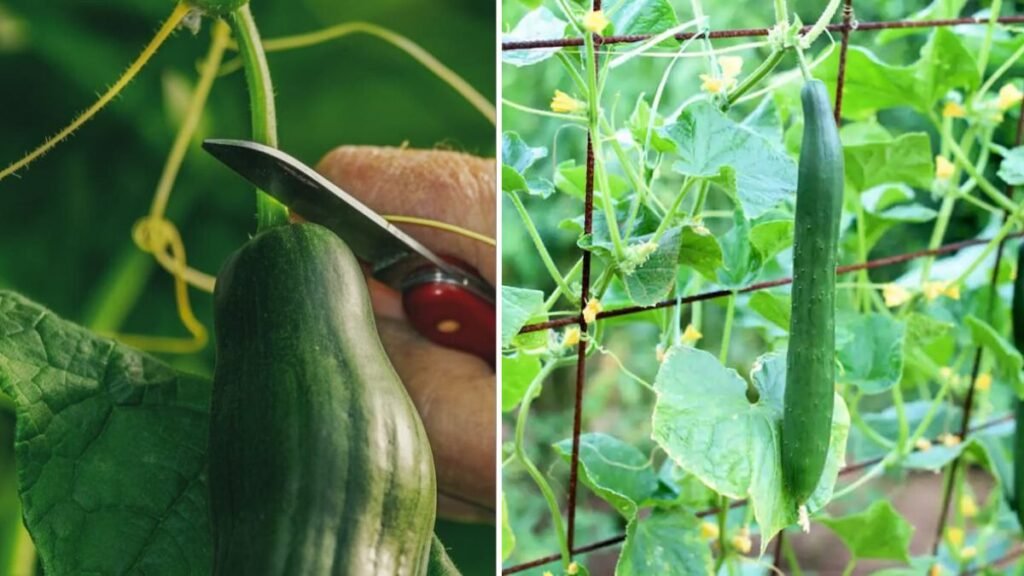
Trellises, bamboo sticks, or strings are necessary for climbing cucumbers. Vertical growth saves space and improves airflow. Fruits remain clean and straight. Tie vines gently to avoid stem damage. Proper support prevents bending and breakage. Supported plants are easier to harvest. Vertical gardening enhances flower and fruit development. Air circulation reduces fungal disease risk. Supported plants last longer and yield more. Vertical growth maximizes space efficiency in small areas.
Pollination Tips
Hand pollination can improve cucumber yields in container setups. Use a soft brush to transfer pollen between flowers. Morning hours are best for pollination. Proper pollination ensures uniform, well-shaped cucumbers. Regular pollination encourages continuous flowering. This is particularly useful in urban spaces lacking natural pollinators. Hand-assisted pollination is simple and highly effective. Successful pollination directly increases yield. Frequent pollination promotes larger and more productive fruits. Pollination is key for high productivity.
Pest Management
Common pests include aphids, spider mites, and beetles. Neem oil or organic sprays control infestations effectively. Remove damaged leaves promptly. Proper spacing and airflow reduce fungal infections. Healthy soil supports strong plant immunity. Inspect containers regularly for early detection. Organic care ensures safe and edible cucumbers. Prevention is easier than chemical treatment. Cleanliness reduces pest pressure. Proper pest management ensures continuous harvest.

Harvesting Cucumbers
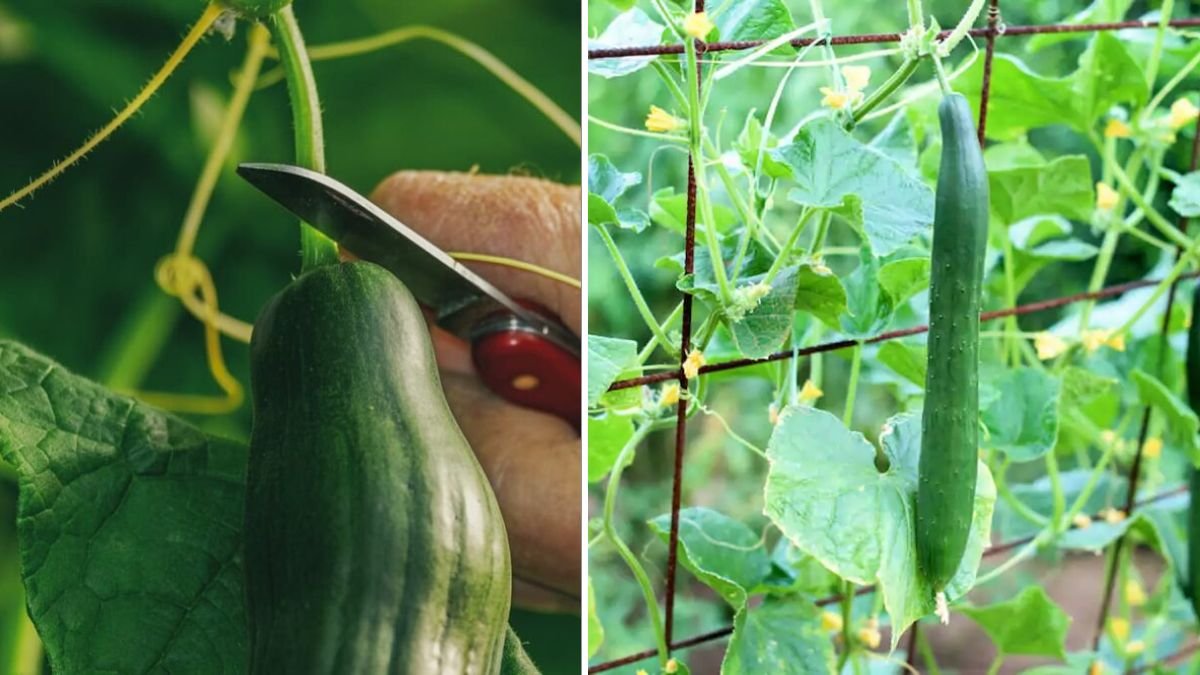
Harvest cucumbers when firm and green. Overripe fruits may taste bitter. Use scissors to cut stems instead of pulling. Frequent harvesting encourages more flowering. Morning harvest maintains fruit freshness. Avoid leaving mature fruits on plants. Proper harvest timing improves sweetness and quality. Regular harvesting extends the productive season. Fresh cucumbers can be eaten immediately or stored briefly. Timely harvest maximizes yield and flavor.
Table: Container Cucumber Gardening Guide
| Factor | Best Practice |
|---|---|
| Container depth | 15–18 inches |
| Soil | Garden soil + compost + cocopeat |
| Sunlight | 6–8 hours daily |
| Watering | Consistent, moderate |
| Support | Trellis, bamboo, or string |
Why This Method Works
Container cucumber gardening provides a controlled environment for soil, water, and nutrients. Roots grow efficiently, reducing stress. Vertical growth maximizes space. Pest and weed issues are minimized. Containers allow easy monitoring and harvesting. Continuous flowering ensures multiple harvests. Urban gardeners benefit from portability and space efficiency. Proper care produces healthy, high-quality cucumbers. This method is suitable for beginners. Container gardening delivers reliable, productive results.