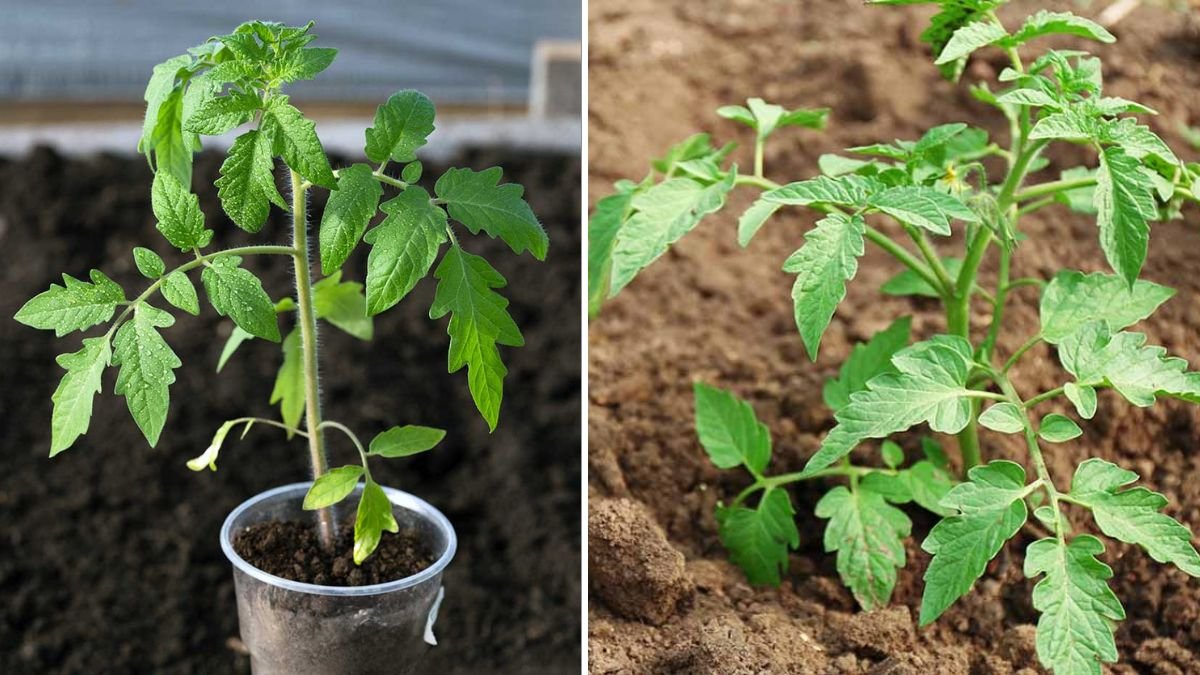
Tomatoes are one of the most popular vegetables worldwide. Growing them from cuttings saves money and ensures faster production. Cuttings retain the genetic qualities of the parent plant. This method is especially useful for hybrid varieties. Beginners can achieve high yields with simple tools. Cuttings establish roots quicker than seeds. Container-grown cuttings adapt easily to small spaces. Tomatoes from cuttings often produce fruit earlier. Healthy cuttings are less prone to disease. This guide covers step-by-step instructions for successful propagation.
1. Choosing the Right Parent Plant
Select a healthy, disease-free tomato plant. Look for vigorous stems with no signs of pests. Avoid older, weak plants as cuttings may not root well. Indeterminate varieties respond best to cutting propagation. Hybrid or heirloom plants both work effectively. The parent plant should be at least 6–8 weeks old. Strong, green stems yield better results. Avoid stressed or overwatered plants. Observe the parent plant for consistent growth. Correct plant selection ensures successful propagation.
2. Selecting the Right Stem for Cuttings
Choose a young, semi-hardwood stem. The stem should have 2–3 leaf nodes. Avoid flowers or fruits on the cutting. Cuttings of 6–8 inches perform best. Make a clean cut using sharp scissors or pruning shears. Trim excess leaves to reduce water loss. Cut at a 45-degree angle for better rooting. Healthy stems produce faster root growth. Proper selection reduces failure. Choose stems with no signs of damage or disease.
3. Preparing the Cutting
Remove lower leaves, leaving 2–3 top leaves. Optional: dip cut end in rooting hormone. Prepare a clean container with nutrient-rich soil or coco peat. Avoid soggy or compacted soil. Moist soil promotes root development. Label cuttings to track growth. Clean tools reduce infection risk. Healthy preparation improves rooting success. Proper care at this stage is critical. Prepared cuttings develop strong roots quickly.

4. Planting Tomato Cuttings
Insert cuttings 2–3 inches deep into the soil. Firm the soil gently around the stem. Water lightly to settle the soil. Avoid deep planting which may cause rot. Ensure the cutting stands upright. Maintain spacing to prevent overcrowding. Place cuttings in shaded, warm areas initially. Avoid direct sunlight during early rooting. Proper planting reduces stress on the cutting. Planting correctly ensures healthy root growth.
Latest Posts
- Easy Steps to Successfully Grow Bhindi in Grow Bags at Home
- Easy Steps to Grow a Healthy Guava Bonsai at Home for Beginners
- How to Successfully Grow and Cultivate White Strawberry Plants at Home for Delicious and Unique Fruits
- Ultimate Guide to Successfully Growing Weeping Fig Outdoors with Proven Techniques and Expert Tips
- How to Successfully Grow Flemish Beauty Pear Trees in Canada for Optimal Harvest
- Easy Hack to Grow Strawberries Year Round in Your Home Garden for Delicious Harvests
- Growing Flemish Beauty Pears in Canada A Complete Guide for Local Gardens
- The Ultimate Guide to Growing Hibiscus Plants Year Round for Vibrant Blooms and Healthy Foliage
- Easy Ways to Boost the Growth Rate of Your Indoor Peace Lily for Lush Green Foliage
- How to Successfully Grow Oak Leaf Lettuce in Your Home Garden for Fresh and Flavorful Salads
5. Ideal Temperature and Environment
Tomatoes root best at 20–25°C. Humidity should be moderate to prevent drying. A warm, sheltered spot accelerates root formation. Avoid wind exposure which can stress cuttings. Early morning light helps acclimatization. Maintain stable conditions for 2–3 weeks. Indoors or shaded greenhouse works well. Temperature fluctuations slow rooting. Balanced environment ensures strong development. Monitor regularly for stress signs.
6. Watering Tomato Cuttings
Keep soil consistently moist but not waterlogged. Mist leaves lightly to maintain humidity. Overwatering can cause fungal infections. Use well-drained containers. Water in the morning for optimal absorption. Check moisture daily, especially in warm climates. Balanced watering supports root formation. Avoid wetting the remaining leaves excessively. Proper hydration encourages vigorous growth. Water management is essential for success.
7. Fertilizing Young Cuttings
Use a weak, balanced liquid fertilizer after roots appear. Avoid strong fertilizers initially. Compost tea or diluted organic solutions work best. Gradually increase feeding as growth develops. Fertilization boosts root and stem strength. Avoid overfeeding which may damage delicate roots. Monitor plant response to nutrients. Balanced nutrition ensures healthy development. Fertilizer timing impacts yield potential. Proper feeding enhances vigor.

8. Supporting Growth of Rooted Cuttings
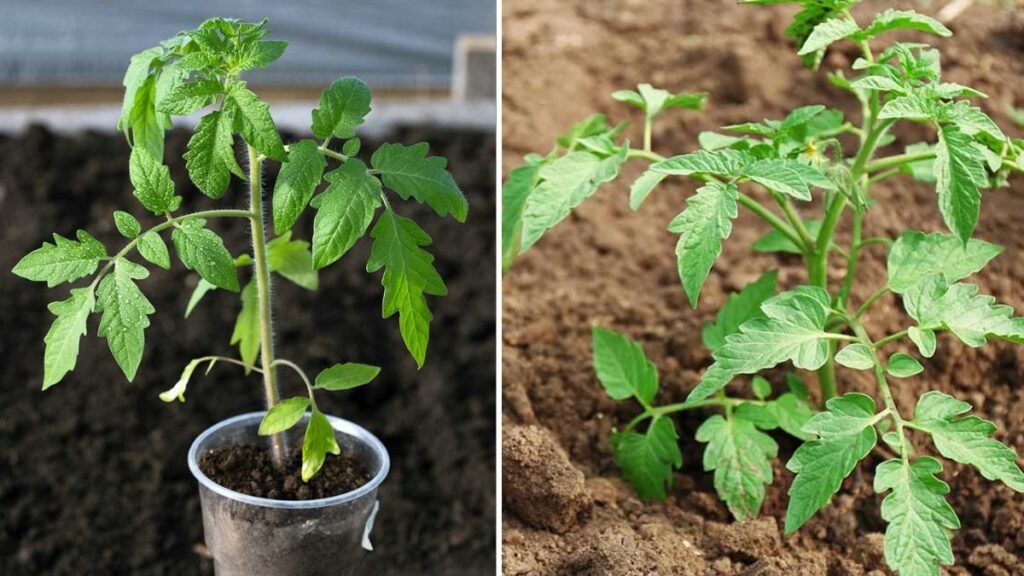
Use small stakes or nets to support stems. Prevent bending or breaking of fragile cuttings. As roots strengthen, support can be removed gradually. Proper support allows upward growth. Avoid overcrowding containers. Balanced positioning ensures sunlight reaches all leaves. Healthy support reduces stress and increases survival. Monitor plant growth regularly. Supporting young plants accelerates fruiting. Well-supported cuttings perform better in containers.
9. Transplanting Rooted Cuttings
Transplant once roots are 2–3 inches long. Use larger pots or garden beds with nutrient-rich soil. Handle cuttings gently to avoid damaging roots. Water immediately after transplanting. Provide temporary shade for 2–3 days. Gradually acclimate to full sunlight. Maintain consistent watering. Fertilize lightly after transplanting. Proper transplanting ensures minimal shock. Correct handling impacts long-term yield.
10. Container vs. Ground Growing
Containers are ideal for limited spaces. Ensure pot depth of at least 12 inches. Use well-draining soil and compost. Ground planting offers larger yields if space is available. Proper spacing prevents disease in both methods. Containers allow better pest control. Roots develop faster in loose soil. Choose the method based on space and resources. Both methods yield high-quality tomatoes. Container-grown cuttings perform exceptionally well.
11. Sunlight Requirements for Growing Tomatoes
Tomatoes require 6–8 hours of sunlight daily. Morning sunlight is ideal. Avoid excessive afternoon heat which can stress plants. Rotate containers for even light exposure. Insufficient light reduces fruiting. Balanced sunlight improves leaf and stem development. Observe sun patterns on your balcony or garden. Sunlight directly affects flowering and fruiting. Proper exposure enhances flavor. Sunlight management is crucial.

12. Pruning and Maintenance
Remove yellowing or damaged leaves. Prune excess lateral shoots for strong fruit production. Avoid over-pruning which may reduce yield. Maintain airflow around stems. Pruning reduces pest and fungal risks. Trimming encourages better sunlight penetration. Monitor regularly to prevent overcrowding. Healthy maintenance ensures continuous fruiting. Proper pruning enhances overall plant health. Careful management improves production.
13. Pollination Techniques
Tomatoes are self-pollinating but benefit from light shaking. Encourage natural pollinators if outdoors. Hand pollination may help indoor plants. Ensure flowers are not stressed during blooming. Proper pollination produces uniform fruits. Poor pollination leads to misshapen tomatoes. Observe flower health daily. Supporting pollination ensures better yield. Simple manual techniques improve production. Effective pollination is key.
14. Pest and Disease Management
Common pests include aphids, whiteflies, and mites. Inspect leaves regularly. Use neem oil or organic sprays. Remove infected parts promptly. Avoid overcrowding and excess moisture. Healthy plants resist pests naturally. Early intervention prevents major losses. Maintain cleanliness of containers and surroundings. Monitor continuously for disease. Balanced care minimizes damage and ensures fruit quality.
15. Fertilization for Fruit Production
Once flowering starts, increase potassium and phosphorus levels. Supports fruit set and size. Balanced fertilizer ensures sweet, juicy tomatoes. Avoid excess nitrogen, which encourages foliage instead of fruit. Compost and organic feeding improve soil health. Regular feeding boosts continuous production. Fertilizer timing affects fruit quality. Observe plant response. Proper nutrition ensures higher yield. Fertilization strategy impacts success.

16. Harvesting Tomatoes
Pick fruits when fully red and ripe. Avoid overripe or underdeveloped fruits. Use scissors or hands gently. Frequent harvesting encourages new blooms. Morning harvesting preserves freshness. Handle fruits carefully to prevent bruising. Timely picking improves overall yield. Regular monitoring maintains production. Proper harvest technique ensures maximum quality. Harvesting rhythm affects continuity.
17. Extending Production Season
Container-grown tomatoes allow extended harvest. Protect plants from extreme temperatures. Shade nets or indoor relocation may be needed. Prune regularly and maintain consistent feeding. Water and humidity management prolong growth. Stagger planting ensures continuous harvest. Container mobility allows seasonal adaptation. Proper planning maximizes productivity. Year-round fruit is possible. Extended care improves output.
18. Common Mistakes to Avoid
Overwatering leads to root rot. Crowding reduces airflow. Neglecting pruning limits yield. Ignoring sunlight impacts flowering. Skipping fertilization reduces fruit quality. Pests and diseases affect harvest. Learning from mistakes improves results. Awareness prevents failures. Experience ensures better outcomes. Preventable errors can drastically affect production.
19. Cost and Space Efficiency
Growing from cuttings saves seed costs. Containers reduce garden space requirements. Less soil and water needed than traditional farming. High yield per square foot. Suitable for balconies, terraces, and small urban gardens. Efficient care reduces maintenance costs. Minimal investment for fresh, chemical-free tomatoes. Space-efficient method suits modern living. High output with low inputs. Budget-friendly and productive.

20. Conclusion: Easy Success With Tomato Cuttings
Tomatoes from cuttings grow faster and retain parent plant qualities. Proper selection, planting, and care ensure high yields. Containers and vertical systems enhance productivity. Even beginners can achieve impressive results. Regular pruning, feeding, and harvesting maintain production. Pest and disease management protects crops. Homegrown tomatoes are fresher and tastier. Start today for a continuous tomato harvest. Cuttings provide a cost-effective, space-saving solution. With patience, anyone can grow thriving tomatoes.
Table: Tomato Cutting Quick Guide
| Step | Requirement | Benefit |
|---|---|---|
| Cutting | 6–8 inch healthy stem | Fast rooting |
| Soil | Coco peat + compost | Nutrient-rich |
| Sunlight | 6–8 hours | Flowering & fruiting |
| Water | Consistently moist | Healthy roots |
| Fertilizer | Balanced organic | Continuous growth |