Vertical gardening is a space-saving solution. It allows growing plants upwards instead of spreading horizontally. Ideal for small spaces like balconies, rooftops, and patios. Vertical gardens enhance aesthetics while producing fresh vegetables and herbs. Air circulation improves. Sunlight reaches more leaves. Plants grow healthier and stronger. Beginners can adopt this method with simple materials.
Benefits of a Vertical Garden
Vertical gardens save space efficiently. Easier access reduces bending and back strain. They improve air quality by absorbing carbon dioxide. Pest problems are minimized due to better airflow. Harvesting is convenient and productive. Multiple plants can grow in limited areas. They also act as natural decor. Efficient vertical structures enhance garden aesthetics.
Choosing the Right Location
Select a spot with adequate sunlight. Most plants require six to eight hours per day. Consider wind protection to prevent damage. Ensure the wall or support is sturdy. Good drainage nearby is helpful. Avoid areas prone to waterlogging. Proper light improves plant growth. Placement affects both productivity and longevity.
Selecting Plants for a Vertical Garden
Leafy greens like lettuce and spinach are ideal. Herbs such as basil, cilantro, and mint thrive. Compact flowering plants can be added for beauty. Climbing plants like peas or beans work well. Choose varieties suited to container growth. Avoid root-heavy plants that need deep soil. Consider growth rate and harvest frequency. Proper selection ensures success.

Types of Vertical Garden Structures
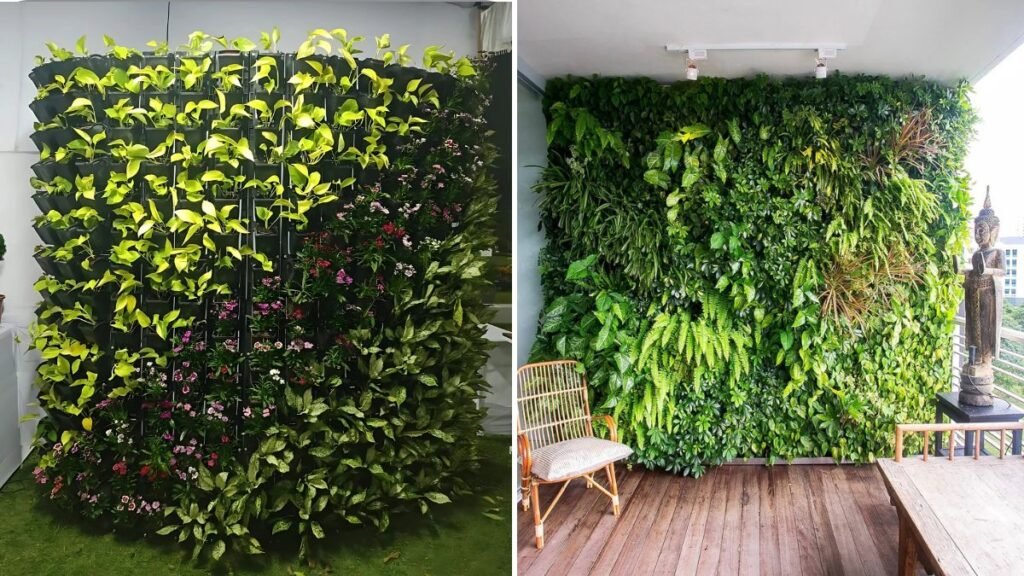
Trellises support climbing plants. Wall-mounted pockets suit herbs and leafy greens. Hanging baskets are ideal for flowers. Pallet gardens recycle wood effectively. Hydroponic vertical towers offer high yield in small spaces. DIY PVC pipe systems are cost-effective. Vertical planters vary by material, height, and weight capacity. Structure choice affects maintenance.
Latest Posts
- Easy Steps to Successfully Grow Bhindi in Grow Bags at Home
- Easy Steps to Grow a Healthy Guava Bonsai at Home for Beginners
- How to Successfully Grow and Cultivate White Strawberry Plants at Home for Delicious and Unique Fruits
- Ultimate Guide to Successfully Growing Weeping Fig Outdoors with Proven Techniques and Expert Tips
- How to Successfully Grow Flemish Beauty Pear Trees in Canada for Optimal Harvest
- Easy Hack to Grow Strawberries Year Round in Your Home Garden for Delicious Harvests
- Growing Flemish Beauty Pears in Canada A Complete Guide for Local Gardens
- The Ultimate Guide to Growing Hibiscus Plants Year Round for Vibrant Blooms and Healthy Foliage
- Easy Ways to Boost the Growth Rate of Your Indoor Peace Lily for Lush Green Foliage
- How to Successfully Grow Oak Leaf Lettuce in Your Home Garden for Fresh and Flavorful Salads
Materials Needed for Construction
Wood, metal, or plastic for support. Soil or lightweight potting mix. Fertilizers and water supply. Hooks, screws, or ties for stability. Recycled containers reduce costs. Mulch for soil moisture retention. Watering tools or drip systems. Quality materials ensure durability and success.
Soil Requirements
Use lightweight soil to prevent structural stress. Mix compost with coco peat and perlite. Soil should retain moisture but drain freely. Avoid garden clay that is heavy. Balanced nutrients are essential. Adequate soil depth supports root growth. Loose soil promotes aeration. Healthy soil ensures consistent growth.
Planting Techniques
Start seeds in small pots or directly in pockets. Transplant seedlings carefully. Maintain spacing between plants. Secure climbing plants with ties. Water gently after planting. Avoid overcrowding to prevent disease. Proper planting improves establishment. Careful handling ensures strong roots.

Watering a Vertical Garden
Vertical gardens dry faster than ground beds. Use drip irrigation or self-watering systems. Check soil moisture daily. Water early in the day to prevent fungal issues. Avoid overwatering top layers. Mulch helps retain moisture. Consistent watering improves growth. Observe plant needs.
Sunlight Requirements
Most edible plants require full sun. Leafy greens tolerate partial shade. Adjust plant location based on sunlight. Rotate pots if sunlight is uneven. Avoid overexposure during hot afternoons. Light intensity affects photosynthesis. Balanced sunlight improves flavor and color. Monitor plants regularly.
Fertilizing for Maximum Growth
Use organic fertilizers or compost tea. Feed every two weeks for leafy crops. Avoid excessive nitrogen which causes weak stems. Apply slow-release fertilizers for longer benefit. Fertilizer supports strong root and leaf development. Monitor plant response to adjust feeding. Balanced nutrition improves yield.
Supporting Climbing Plants
Use trellises, strings, or frames for support. Tie plants gently without damaging stems. Guide vines upward for space efficiency. Check ties weekly as plants grow. Secure structure to prevent tipping. Training plants ensures healthy growth. Climbing support improves airflow. Proper care prevents breakage.

Pruning and Maintenance
Remove dead leaves to reduce disease risk. Prune overgrown plants to improve light penetration. Maintain tidy structure to avoid pests. Pruning encourages new leaf growth. Clean tools prevent infections. Regular maintenance enhances productivity. Monitor growth stages. Minimal pruning promotes balance.
Pest Management
Inspect regularly for aphids, mites, or caterpillars. Use neem oil or organic sprays if needed. Encourage beneficial insects like ladybugs. Avoid overcrowding to reduce pest habitat. Remove infected plants quickly. Maintain cleanliness around vertical garden. Preventive care is better than cure.
Monitoring Plant Health
Watch for yellowing or wilting leaves. Check root development occasionally. Track growth patterns. Ensure balanced nutrition and water. Observe flowering and fruiting stages. Early problem detection saves plants. Adjust care as necessary. Regular monitoring improves yield.
Seasonal Care
Adjust watering and feeding with season. Provide shade in peak summer. Protect plants from frost in winter. Rotate crops based on season. Seasonal care enhances plant survival. Monitor temperature changes closely. Adapt to climatic conditions. Proper attention extends harvest.

Harvesting Techniques
Harvest leafy greens first. Cut outer leaves to promote regrowth. Remove mature vegetables carefully. Regular harvesting encourages continuous production. Avoid damaging stems. Early morning harvest yields tender leaves. Staggered harvesting improves productivity.
Common Mistakes
Overcrowding reduces airflow. Poor light slows growth. Heavy soil can collapse structure. Neglecting watering causes stress. Ignoring pests reduces yield. Learning from mistakes improves future crops. Observe plant needs daily. Consistency ensures success.
Vertical Garden Summary Table
| Aspect | Recommendation | Benefit |
| Plants | Leafy greens and herbs | Higher yield in small space |
| Structure | Trellis, pockets, towers | Space-saving design |
| Watering | Drip or light daily watering | Healthy roots |
| Soil | Light, nutrient-rich mix | Strong growth |
| Fertilizer | Organic every two weeks | Improved flavor and productivity |